 HOME
HOMEpipe testing machine
hydro testing machine
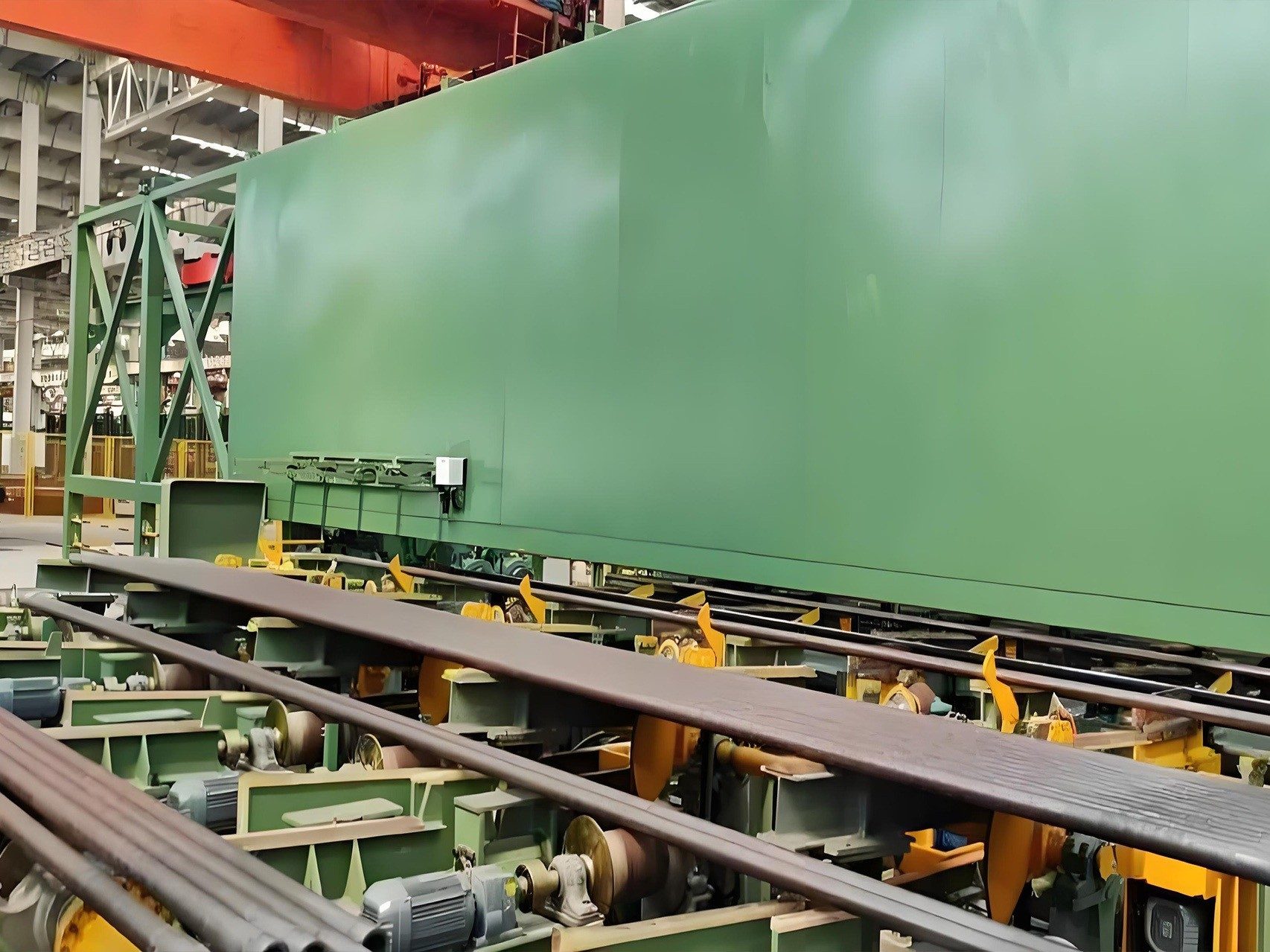
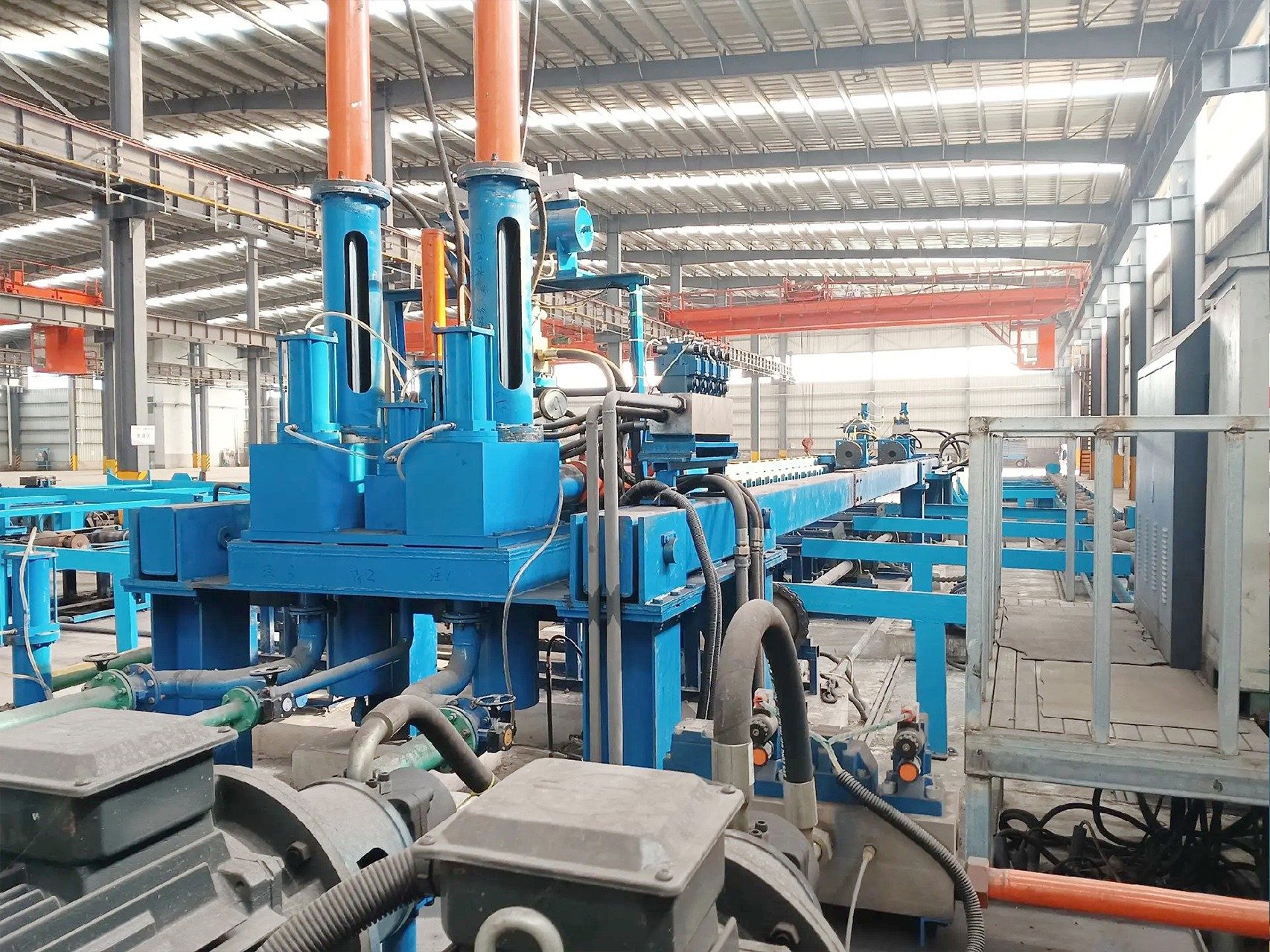
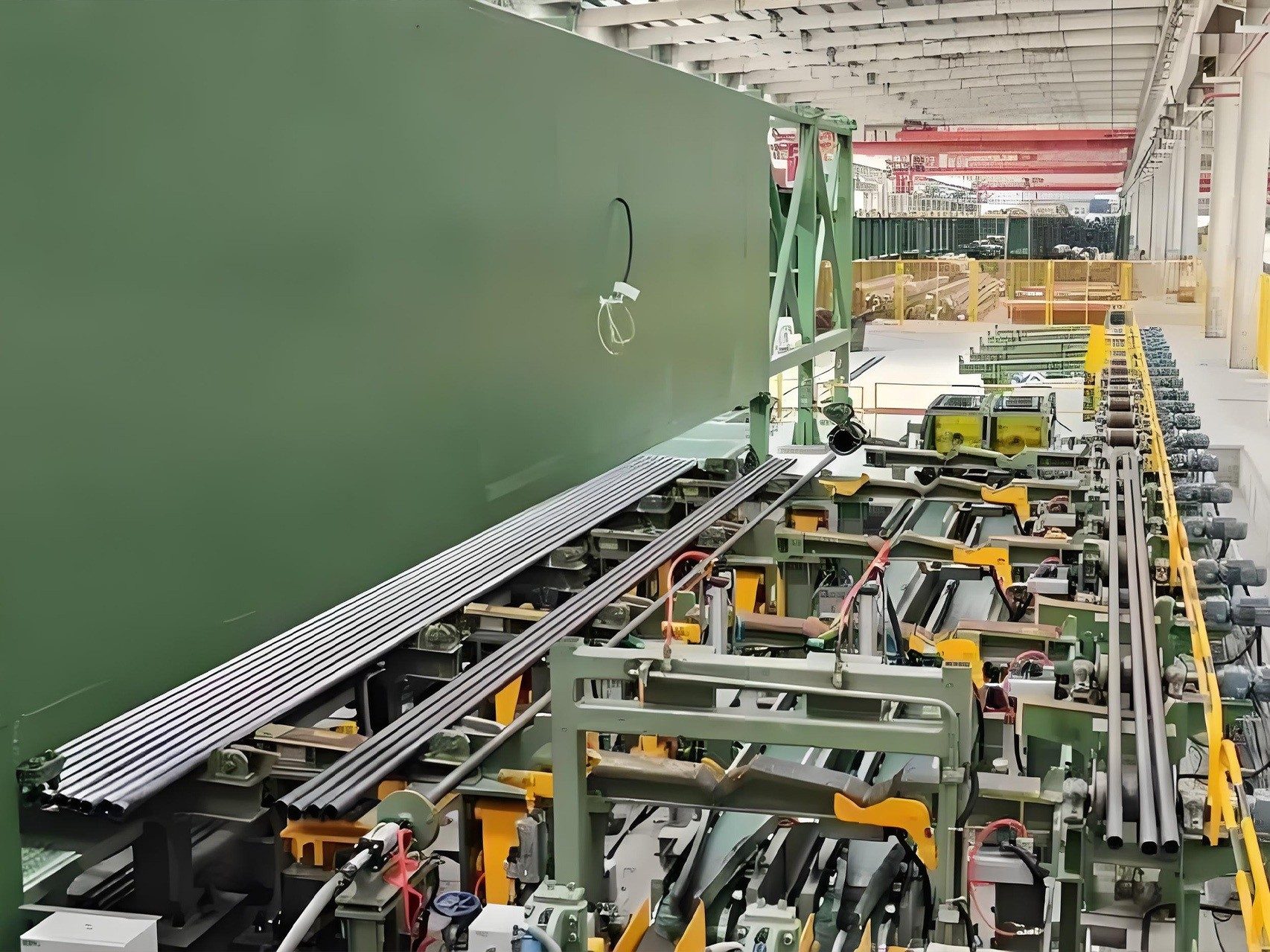
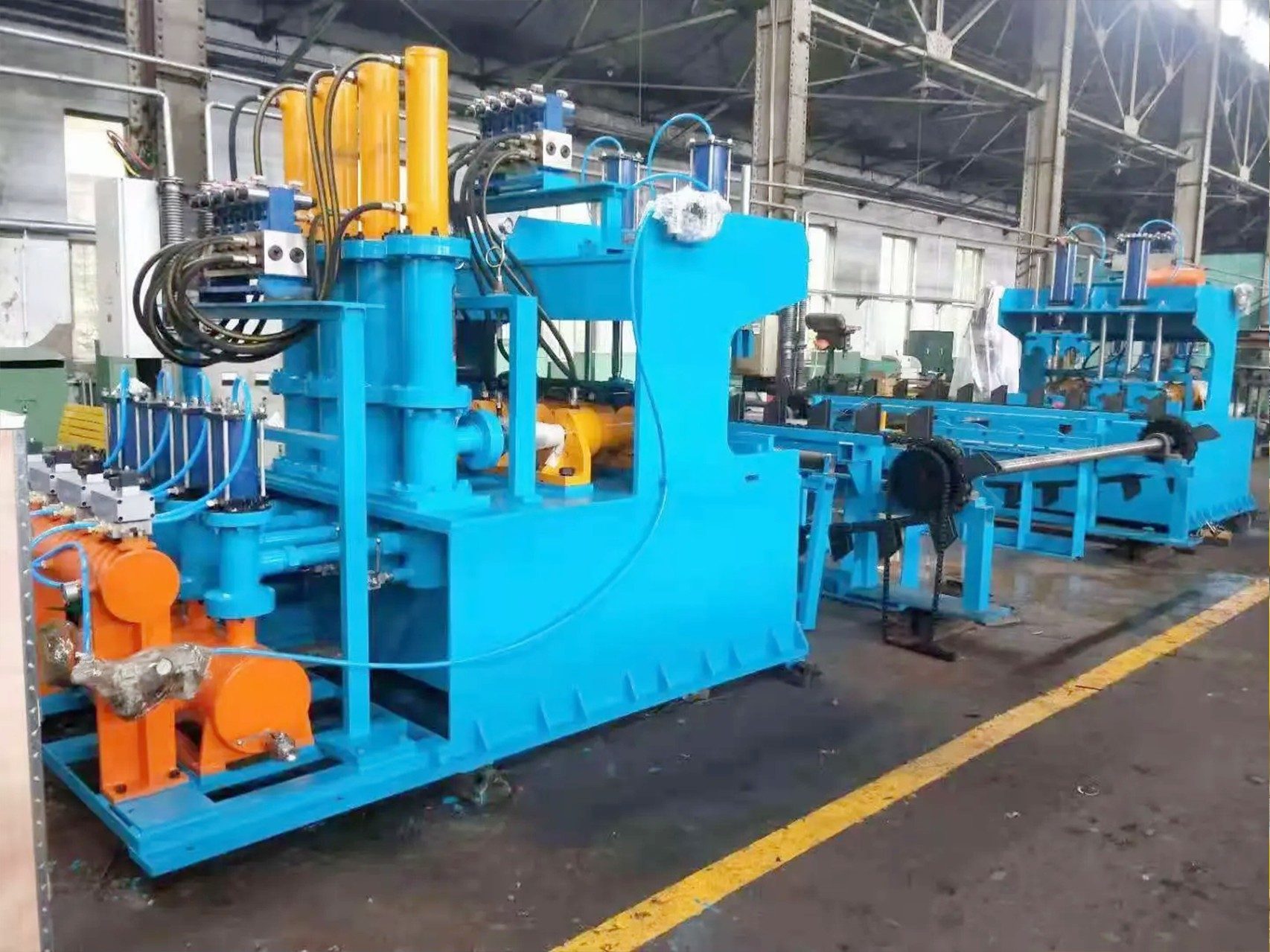
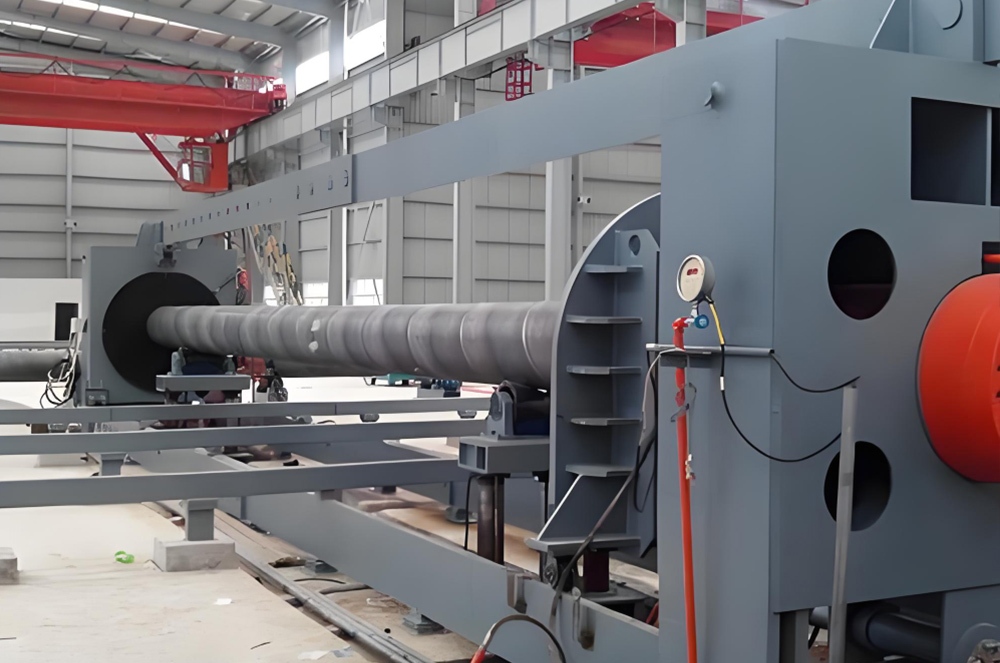
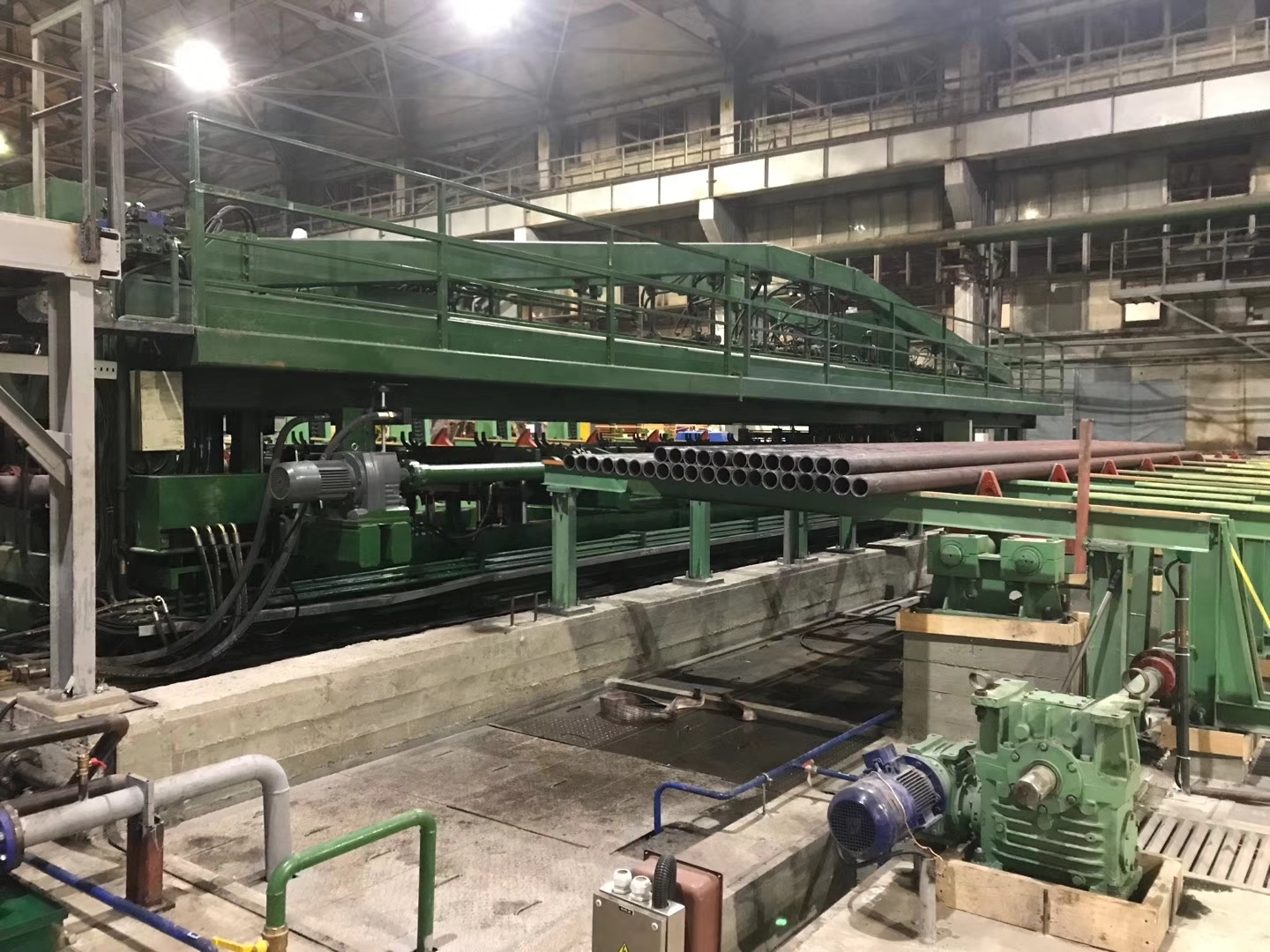
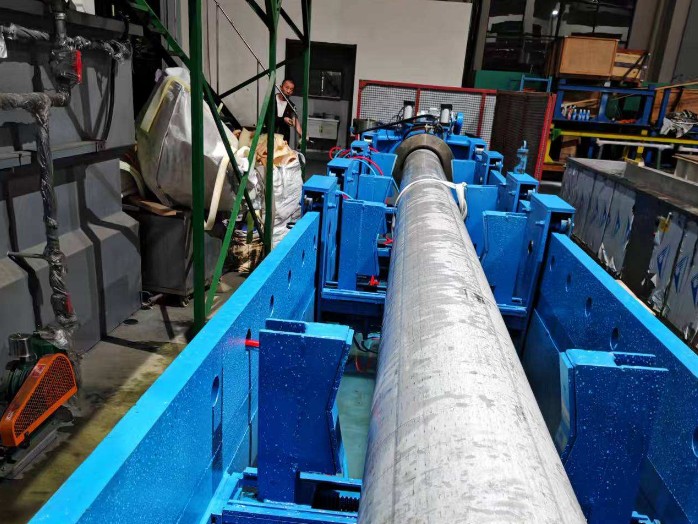
Pipe Testing Machine for High-Pressure and Hydrostatic Testing
The Pipe Testing Machine is designed for high-pressure testing of pipes, valves, gas cylinders, pressure vessels, and other pressure-bearing components. It can be configured for hydrostatic pressure testing, pressure holding, leakage verification, and burst testing, with a maximum test pressure of up to 300 MPa.
The system supports manual, digital, or PLC-based control and can be configured according to the tested product, required pressure, testing medium, pressure-holding requirements, and production process.
Key Applications
The equipment can be used for pressure and performance testing of various pressure-bearing products.
|
Tested Product |
Typical Test Application |
|
Steel Pipes |
Hydrostatic Pressure Testing |
|
Valves |
Pressure and Leakage Testing |
|
Gas Cylinders |
Burst Pressure Testing |
|
Pressure Vessels |
Strength Verification |
|
Hydraulic Components |
Pressure Performance Testing |
The testing configuration can be adapted to the dimensions and pressure requirements of the product being tested.
Key Features
The Pipe Testing Machine combines high-pressure generation, controlled pressure output, and flexible testing functions for industrial pressure-testing applications.
Main Features
- Test pressure up to 300 MPa
- Adjustable pressure output for different testing requirements
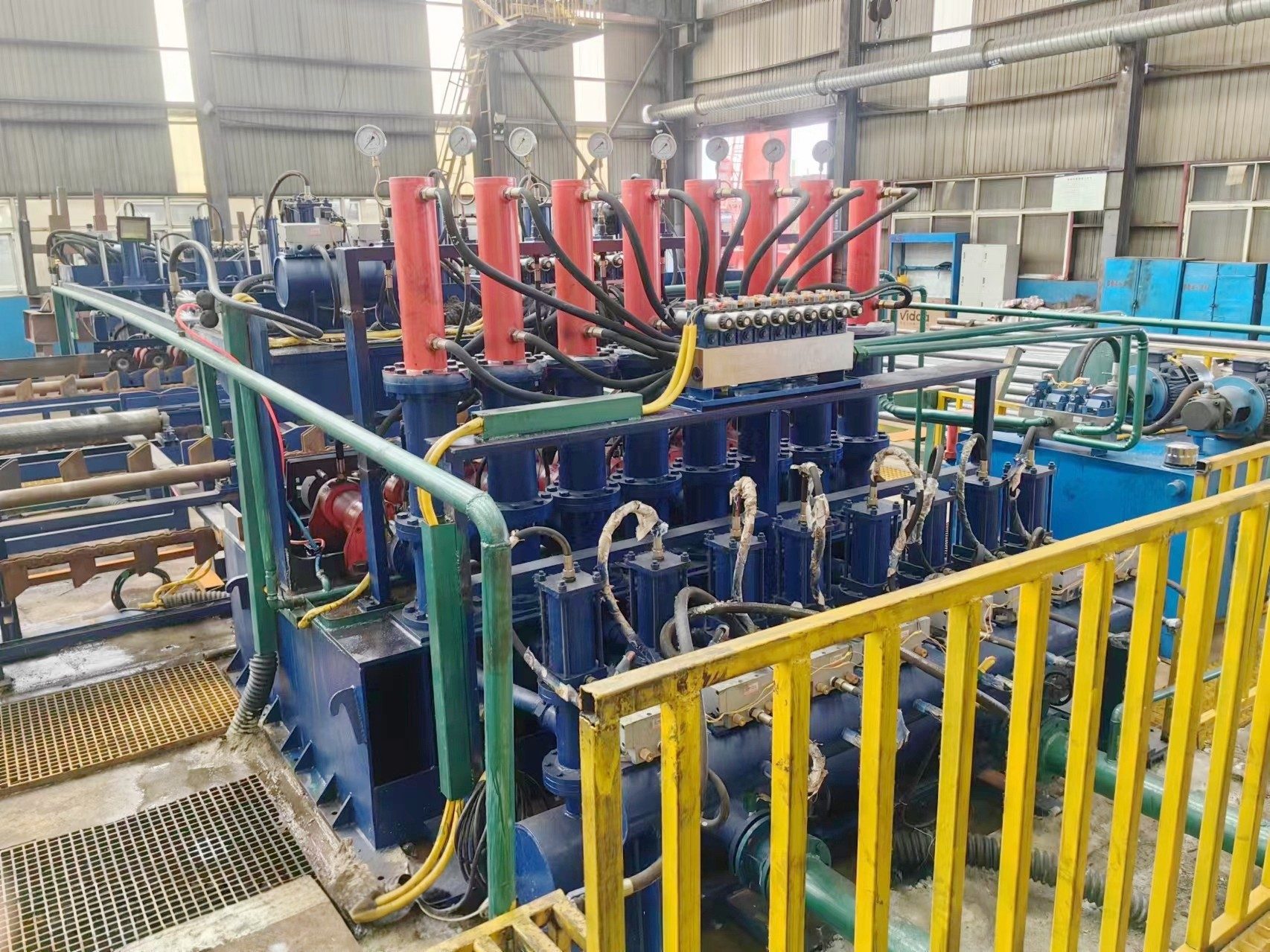
- High-pressure booster pump for stable pressure generation
- Optional automatic recording of maximum burst pressure
- Compact machine structure for efficient installation
- Modular pressure components for easier maintenance
- Manual, digital, or PLC control options
- Compatible with different testing media
- Designed for continuous industrial operation
- Suitable for standalone testing stations and production-line integration
Pressure-bearing components use internationally recognized standard parts rather than welded pressure connections. This design facilitates component replacement and routine maintenance while supporting long-term equipment operation.
Technical Specifications
|
Parameter |
Specification |
|
Test Pressure Range |
0–300 MPa |
|
Drive Air Pressure |
0.1–0.8 MPa |
|
Maximum Air Consumption |
0.6 Nm³/min |
|
Pressure Control |
Manual / Digital / PLC |
|
Test Medium |
Water, Hydraulic Oil, Emulsion |
|
Pressure Recording |
Optional Automatic Recorder |
|
Pressure Adjustment |
Proportional to Drive Air Pressure |
Actual equipment configuration may vary according to the tested product, required pressure, testing procedure, and control requirements.
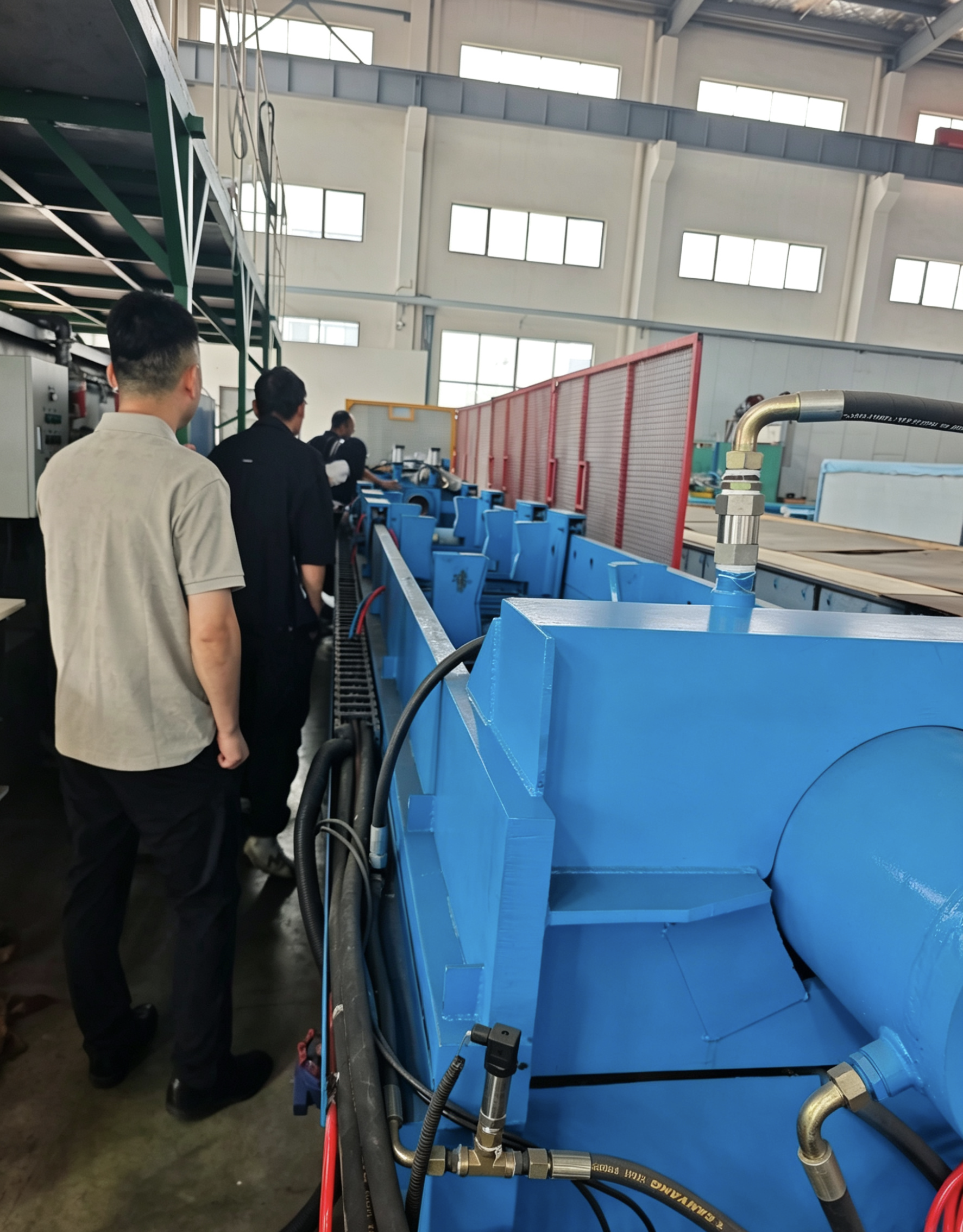
How the Pipe Testing Machine Works
The testing cycle consists of product loading, sealing, filling, pressurization, pressure holding, pressure release, and unloading.
Load Product → Clamp and Seal → Fill with Test Medium → Increase Pressure → Hold Test Pressure → Release Pressure → Unload Product
After the workpiece is securely clamped and sealed, the system fills the test chamber or product with the selected testing medium. The high-pressure booster system then increases the internal pressure to the preset test value.
During the pressure-holding stage, the system maintains the specified pressure for the required testing period. After testing is completed, pressure is released in a controlled manner before the product is unloaded.
For burst-testing applications, an optional automatic recorder can capture the maximum pressure reached during the test for quality inspection and production documentation.
Pressure Control System
Stable pressure control is essential for repeatable pressure-testing results.
The machine uses a high-pressure booster pump to generate the required testing pressure. The output pressure can be adjusted according to the testing requirements, with the pressure output controlled in proportion to the drive air pressure.
Depending on the selected control configuration, operators can control and monitor the testing pressure manually, digitally, or through a PLC-based system.
For applications requiring burst-pressure measurement, an optional automatic recorder can record the maximum pressure reached during the test and provide pressure data for inspection records.
Testing Media
The equipment can be configured to use different testing media according to the application.
Typical testing media include:
- Water
- Hydraulic oil
- Emulsion
The appropriate testing medium should be selected according to the tested product, testing procedure, pressure requirements, and production conditions.
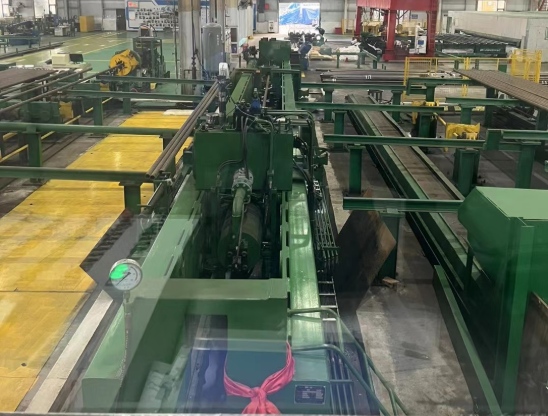
Reliable Design for Industrial Operation
The machine is designed for industrial pressure-testing applications where stable operation and maintenance efficiency are important.
Pressure-bearing components use internationally recognized standard components rather than welded pressure connections. The modular configuration makes individual components easier to inspect, replace, and maintain.
The compact structure allows the equipment to be installed as a standalone testing station or integrated into a larger production line. Control options can also be selected according to the required level of automation.
Configuration for Different Testing Requirements
The required machine configuration depends on the product being tested and the intended testing procedure.
Important engineering factors include:
|
Requirement |
Influence on Configuration |
|
Product Type |
Determines sealing and connection arrangement |
|
Product Dimensions |
Determines testing chamber and handling requirements |
|
Test Pressure |
Determines pressure-generation system requirements |
|
Pressure-Holding Time |
Influences testing cycle and control configuration |
|
Testing Medium |
Determines the fluid supply and pressure system |
|
Test Type |
Determines pressure, leakage, or burst-testing functions |
|
Production Capacity |
Influences cycle time and automation requirements |
|
Control Method |
Determines manual, digital, or PLC configuration |
|
Recording Requirements |
Determines pressure-monitoring and data-recording options |
|
Installation Layout |
Determines equipment arrangement and product handling |
A configuration for steel pipe pressure testing may differ from one designed for valves, gas cylinders, pressure vessels, or hydraulic components. The sealing system, pressure-generation system, control system, and product-handling arrangement should therefore be selected according to the actual testing application.
Customization and Integration
The Pipe Testing Machine can be configured according to the tested product, pressure requirements, testing medium, production capacity, and automation level.
The main configuration parameters normally include:
- Product type
- Product dimensions
- Required test pressure
- Pressure-holding time
- Testing medium
- Test type
- Required testing cycle
- Control method
- Pressure recording requirements
- Product loading and unloading method
- Available installation space
Based on these parameters, the pressure system, sealing components, control system, testing station, product handling system, and overall machine layout can be configured accordingly.
This approach allows the equipment to be adapted to different industrial pressure-testing applications without relying on a single fixed machine configuration.
Related Products