


 HOME
HOMEKey Safety Principles Behind a hydro testing machine
23 January 2026
Hydrostatic testing is one of the most fundamental checks in manufacturing, fabrication, and quality assurance. At its core, a hydro testing machine puts water under controlled pressure into a component to confirm strength and leak-free performance. Because this process involves high pressure fluids and stored energy, safety is not an afterthought — it’s the foundation of every step.
A hydro testing machine is powerful and precise, but without strict safety practices it can become dangerous. In this article, we walk through the key safety principles that every technician, engineer, and shop manager should understand before operating or selecting a hydro testing machine.
What Makes Hydro Testing Safe or Risky?
Hydrostatic testing involves pressurizing a part with liquid, usually water, to a level above its normal operating pressure. This “stress test” verifies structural integrity. But even with water — which is incompressible and safer than gas — significant stored energy can build up. Poorly controlled pressure, leaks, and unexpected component failure can cause injuries or damage.
Safety is not about eliminating risk — it’s about managing it intelligently.
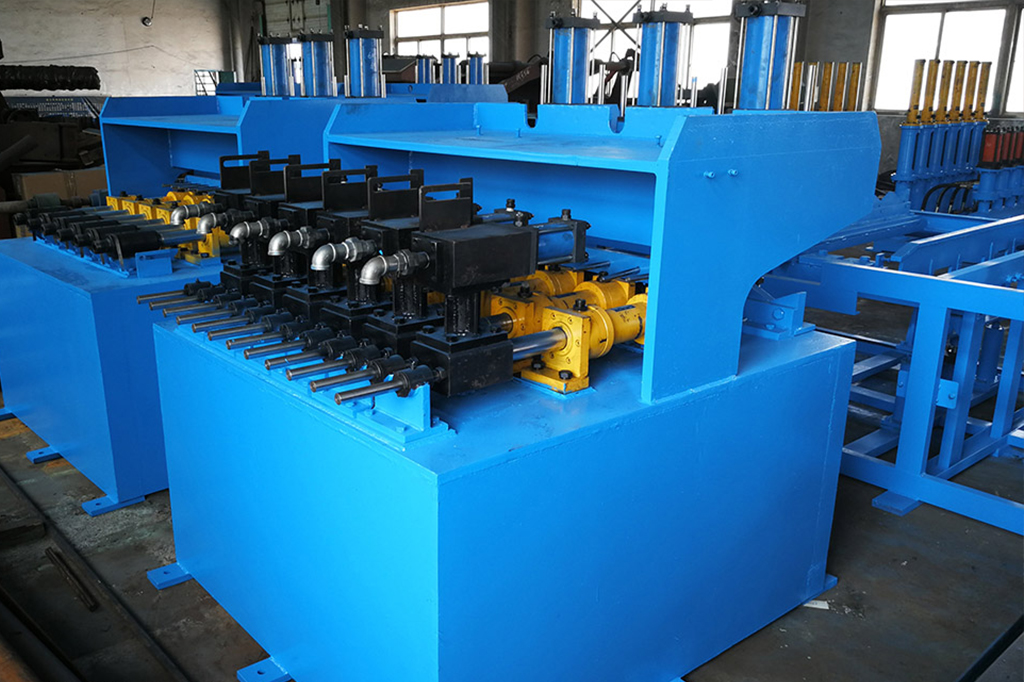
1. Start with Risk Assessment and Planning
Every test should begin with a risk assessment. This means identifying the hazards associated with testing a specific part, evaluating what could go wrong, and planning measures accordingly.
Before you even fill the test component:
-
Define test pressure and duration based on design specs and standards.
-
Make sure the component is suitable for pressure testing (millions of dollars in equipment deserve this check).
-
Identify who is authorized to conduct the test, and ensure they’re trained and competent.
A hydro testing machine with good controls is only as safe as the people operating it.
2. Control and Monitor Pressure Carefully
Pressurization is the heart of hydrostatic testing, and controlling how pressure is applied and maintained is crucial.
-
Increase pressure gradually — rapid rises can stress seals and distort results.
-
Calibrated gauges and digital monitoring systems help ensure the pressure is both accurate and visible.
-
Use built-in relief valves or safety devices to prevent over-pressure — a feature many quality hydro testing machines include as a standard.
This attention to gradual, controlled pressurization protects both the test piece and the operator.
3. Vent and Fill to Eliminate Air
Air pockets in a test specimen are more than an accuracy issue — they are a safety issue. Air trapped in a component under pressure behaves like a spring. When it compresses and then suddenly expands, it increases the danger of sudden energy release.
Ensure the system fills from the lowest point, with all vents open, so water displaces air before pressure rises.
4. Personal Protective Equipment (PPE) Matters
Even with all precautions, testing is a high-energy process. The right PPE protects personnel from unexpected events:
| PPE Item | Purpose |
|---|---|
| Safety glasses | Protect eyes from ejected water or debris |
| Gloves | Shield hands from high pressure and cold water |
| Safety boots | Reduce slip and impact injury risk |
| Face shield (optional) | Protect against splashes |
Wearing PPE should never be optional when operating a hydro testing machine.
5. Barricade and Restrict the Test Zone
Hydrostatic pressure tests shouldn’t happen in a crowded workshop corner. Establish a clear, marked test area with restricted access.
-
Barriers keep untrained personnel out.
-
Warning signs communicate test status.
-
A well-defined test zone helps emergency responders identify hazards quickly if something goes wrong.
Safe workplaces think in terms of zones, not just equipment.
6. Maintain and Inspect Your Hydro Testing Machine
Routine inspection and maintenance may not be glamorous, but they are vital:
-
Check hoses and connections for cracks or wear.
-
Verify pressure gauges against a known standard.
-
Make sure relief valves and interlocks function.
A well-maintained hydro testing machine is a safer machine.
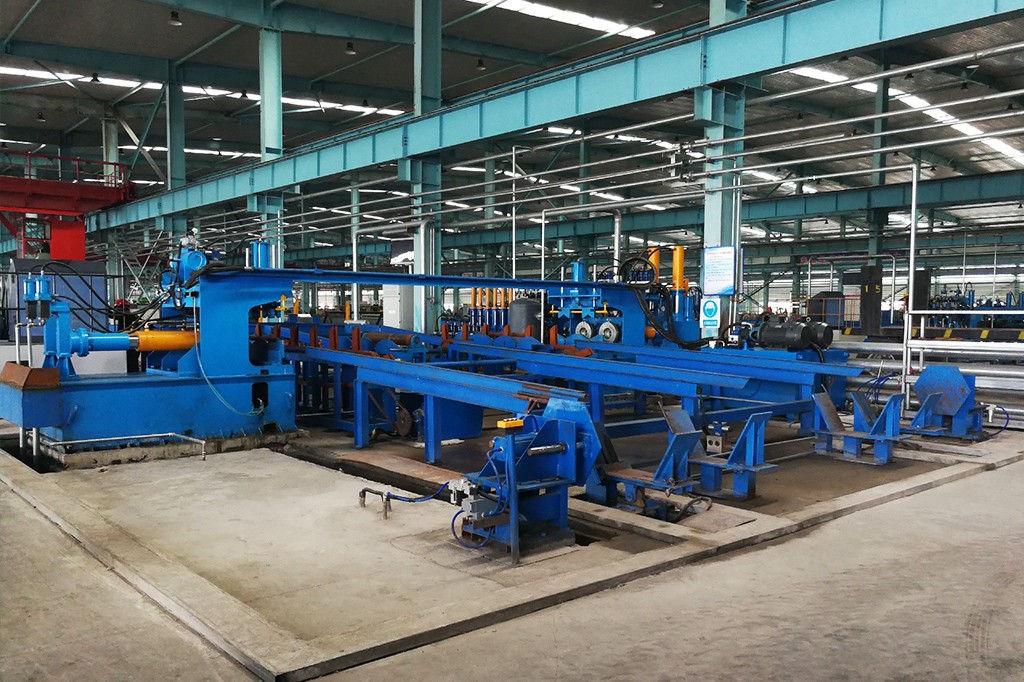
7. Emergency Procedures and Training
Preparation includes knowing what to do if something goes wrong:
-
Have emergency depressurizing procedures clearly written and accessible.
-
Conduct safety drills occasionally.
-
Make sure operators know how to use emergency stop functions on the hydro testing machine.
Tests must be predictable — but plans should be ready for the unpredictable.
Safety Checklist: Quick Reference
| Safety Area | Action |
|---|---|
| Planning | Risk assessment completed |
| Pressure Control | Gradual and monitored |
| Air Elimination | System fully vented |
| PPE | Worn by all operators |
| Test Zone | Clearly marked and barricaded |
| Machine Maintenance | Inspected before use |
| Emergency Plans | Written and understood |
A hydro testing machine is a precision instrument designed to push components beyond their normal limits, revealing flaws before they become failures in the field. But that same capability demands respect. Careful planning, controlled pressurization, proper PPE, and well-trained operators turn a potentially hazardous process into a powerful quality tool.


