


 HOME
HOMEThe Essential Components of Every hydro testing machine
21 January 2026
In many industrial sectors, pressure testing is not just a formality—it’s a critical safety step. Whether you are testing steel pipes, pressure vessels, valves, or fittings, the reliability of a hydro testing machine directly affects product quality, compliance, and long-term performance.
Although hydro testing machines may vary in size, pressure range, and automation level, they all rely on a few core components to deliver accurate and repeatable test results. Understanding these essential parts helps operators run tests more safely and helps buyers choose the right equipment for their application.
Below, we break down the key components that every hydro testing machine must have—and why each one matters.
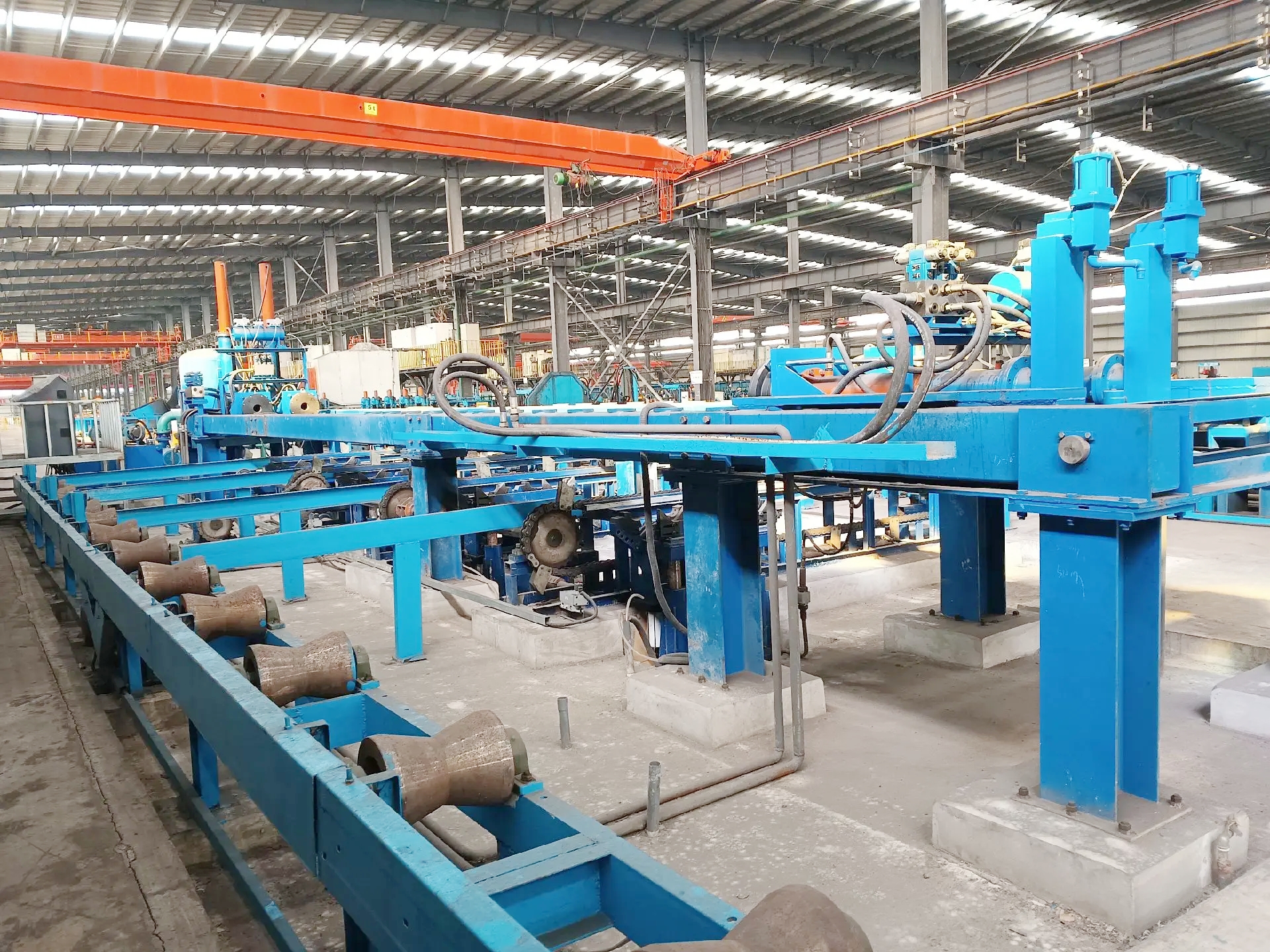
1. High-Pressure Pump System
The pump is the heart of any hydro testing machine. Its job is simple in theory: generate water pressure and deliver it smoothly into the test object. In practice, however, pump performance determines test accuracy and stability.
A quality hydro testing machine usually uses:
-
Plunger pumps or piston pumps for high-pressure stability
-
Stainless steel wetted parts to resist corrosion
-
Adjustable flow control to match different test standards
If the pump produces pressure spikes or fluctuates under load, test results become unreliable. That’s why a well-designed hydro testing machine focuses heavily on pump quality and pressure control.
2. Pressure Control and Regulation System
Precise pressure control is essential during hydrostatic testing. This system ensures the pressure rises at the correct rate, holds steady during the test, and releases safely afterward.
Typical pressure control components include:
-
Pressure regulating valves
-
Safety relief valves
-
Accumulators (in some systems)
A properly configured hydro testing machine prevents over-pressurization, protects operators, and ensures compliance with international testing standards such as ASTM, API, or EN.
3. Pressure Measurement Instruments
No hydro testing machine is complete without accurate pressure measurement. This is how operators confirm that the test pressure has been reached and maintained for the required duration.
Most machines use a combination of:
-
Analog pressure gauges for visual confirmation
-
Digital pressure sensors for higher accuracy
-
Optional data loggers for record-keeping and audits
High-quality pressure instruments are not just about precision—they also reduce disputes during inspections and customer acceptance tests.
4. Sealing and Clamping Devices
Even the best pump and sensors are useless if the test piece cannot be sealed properly. Leakage at the pipe ends or fittings is one of the most common causes of failed tests.
A reliable hydro testing machine includes:
-
Expandable internal seals or external clamps
-
Adjustable fixtures for different pipe diameters
-
Durable rubber or polyurethane sealing elements
Good sealing design saves time, reduces water waste, and minimizes false test failures.
5. Water Filling, Venting, and Drainage System
Hydrostatic testing must be done with minimal trapped air. Air pockets can compress, distort pressure readings, and create safety risks.
This is why every professional hydro testing machine includes:
-
Controlled water filling valves
-
Air venting ports at high points
-
Fast drainage outlets for post-test water removal
Proper venting improves test accuracy and shortens cycle time—especially important in high-volume production environments.
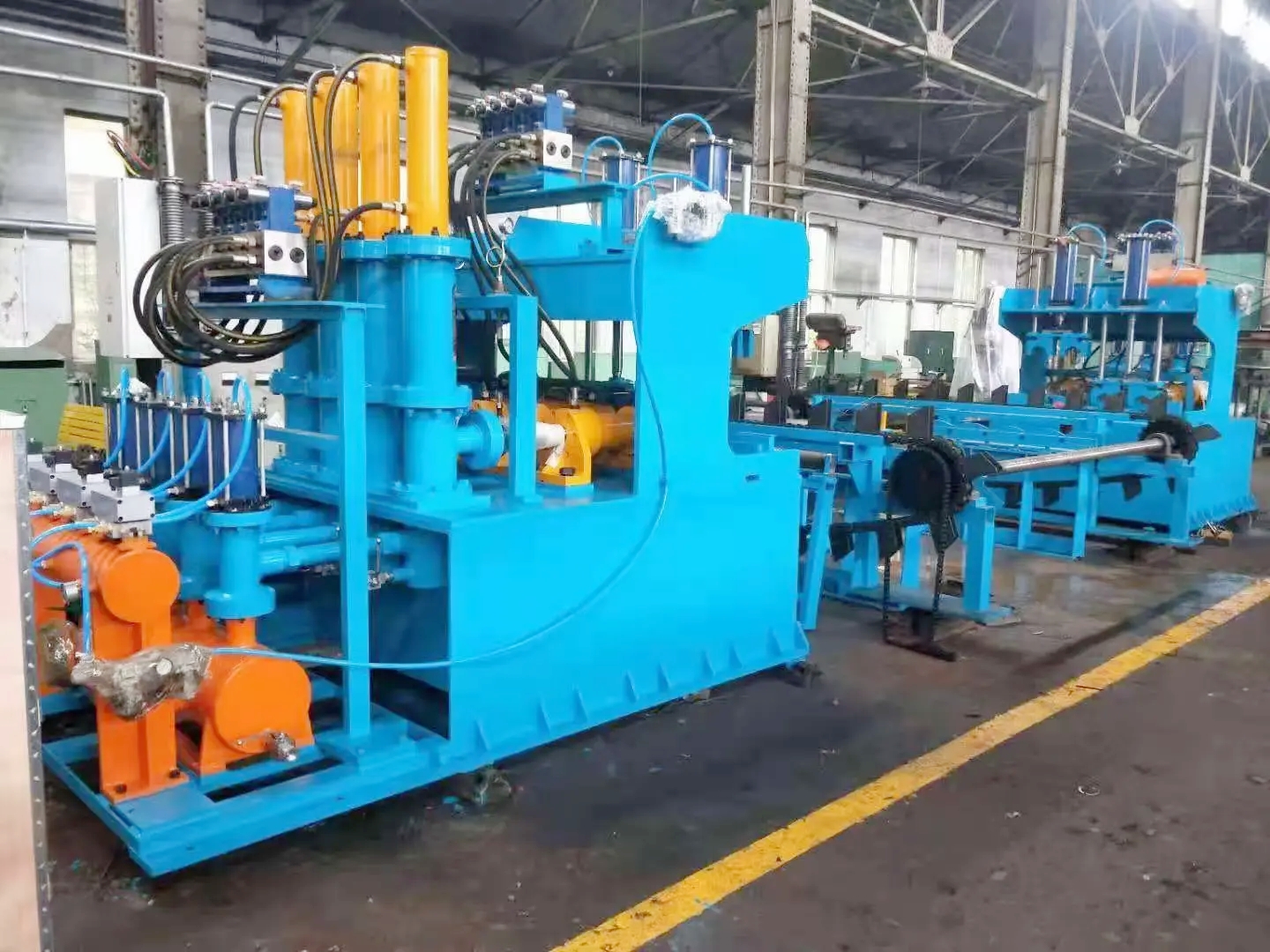
6. Control Panel and Operating Interface
The control system is where operators interact with the hydro testing machine. Depending on the level of automation, this may range from manual valves to PLC-based touchscreens.
Modern systems often feature:
-
Digital pressure display
-
Programmable test cycles
-
Emergency stop buttons
-
Alarm indicators for pressure drops or leaks
A user-friendly control panel reduces operator error and improves overall testing efficiency.
7. Structural Frame and Safety Protection
Finally, the mechanical structure holds everything together. A strong frame keeps the test object stable under pressure and protects operators during testing.
Key structural elements include:
-
Heavy-duty steel frames
-
Protective shields or enclosures
-
Anti-slip bases and secure mounting points
A well-built hydro testing machine is designed not only to perform tests but also to operate safely day after day.
Key Components Overview Table
| Component | Main Function | Why It Matters |
|---|---|---|
| High-Pressure Pump | Generates test pressure | Ensures stable and accurate pressure |
| Pressure Control System | Regulates and limits pressure | Prevents overpressure and accidents |
| Pressure Instruments | Measures and monitors pressure | Guarantees test accuracy |
| Sealing Devices | Prevents leaks | Avoids false failures |
| Filling & Venting System | Removes air and drains water | Improves safety and reliability |
| Control Panel | Manages test operation | Reduces human error |
| Structural Frame | Supports test object | Ensures operator safety |
Why Understanding These Components Matters
When selecting or operating a hydro testing machine, focusing only on maximum pressure or price is a mistake. Long-term reliability comes from balanced design—where every component works together smoothly.
A well-engineered hydro testing machine delivers:
-
Consistent test results
-
Lower maintenance costs
-
Safer working conditions
-
Better compliance with international standards
For manufacturers and inspection facilities alike, understanding these core components leads to smarter investment decisions.


