


 HOME
HOMEHow to Choose the Right Steel Pipe Hydrostatic Testing Machine
16 January 2026
In a world where product quality decides your reputation, choosing the right hydrostatic testing machine for steel pipes is more than just ticking boxes on a spec sheet. The machine you invest in affects safety, compliance, throughput, and your bottom line. Whether you’re producing line pipe for infrastructure projects or pressure pipe for high-risk industries like oil & gas, selection matters.
In this article, we’ll walk through practical, no-nonsense guidance you can use to pick the right machine for your operation.
Why This Choice Matters
Hydrostatic testing isn’t just a traditional check — it’s the final assurance that a steel pipe will perform under real pressure conditions. A poorly matched testing machine can lead to false failures, missed leaks, and unplanned production stops. Long story short: the right machine saves time, cuts rejects, and protects your brand.
Start with Pressure Capacity and Range
The first factor to consider is the machine’s pressure capability.
Every pipe specification has a test pressure. Your machine should rate above this value, often with a margin of 20–50% extra capacity so it isn’t strained during repeated use. If your test standards evolve (for thicker walls or higher classes), under-spec’d equipment will hold you back.
Tip: Pressure capacity isn’t a marketing number — it’s a long-term operating requirement.
Match Machine Type to Your Workload
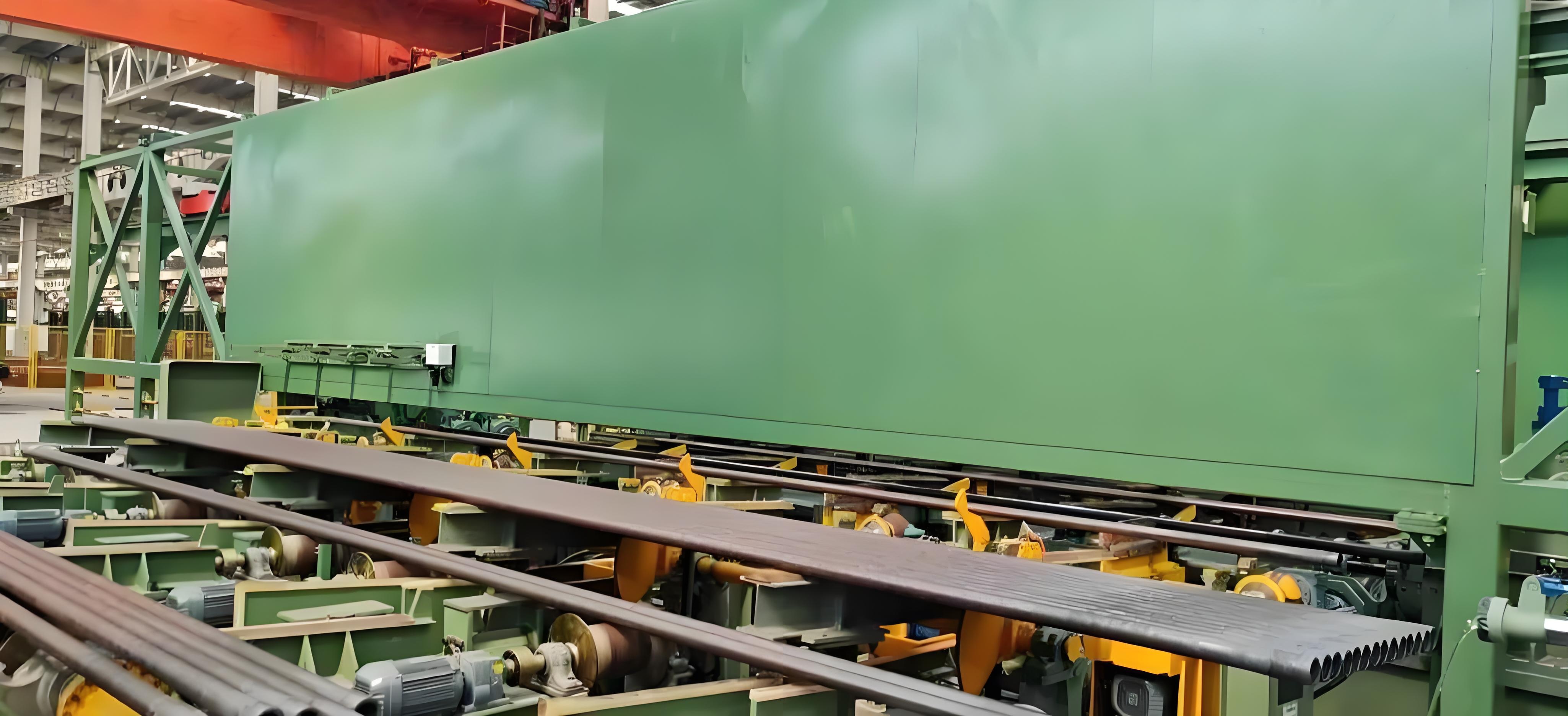
Not all hydrostatic testing machines serve every need. Some common configurations include:
| Machine Type | Best For | Typical Use |
|---|---|---|
| Bench-top units | Small batches, lab testing | Prototyping, R&D |
| Floor-standing multi-station | High throughput | Production plants |
| Mobile/portable units | Field testing | On-site pipeline construction |
Choosing the wrong format can slow production or make testing painful and inefficient.
Think About Pipe Size and Fixture System
A machine must physically accommodate the outer diameter, wall thickness, and test length of the pipes you produce. Many suppliers offer modular fixturing systems — these allow you to retarget the machine to different sizes with minimal downtime.
Poor sealing and inadequate fixtures are common causes of false failures and leak misdiagnosis. Quality clamps and seals help prevent these issues.
Automation, Control, and Data
Modern hydrostatic testing machines do much more than simply generate pressure.
Look for systems that offer:
-
Automated pressure ramping
-
Digital control and monitoring
-
Real-time data logging
-
Report generation for certificates
Automation reduces human error and improves repeatability — particularly important when test records are a contractual requirement.
And in regulated industries, traceability isn’t a “nice-to-have” — it’s a must.
Safety Features Can’t Be an Afterthought
Hydrostatic testing involves significant stored energy. Good machines include built-in safeguards such as:
-
Emergency stop controls
-
Pressure relief devices
-
Safety interlocks
-
Burst protection mechanisms
These are not optional. They protect operators, equipment, and help you meet workplace safety standards.
Build Quality and Material Compatibility
Since the machine directly contacts water or test fluid under pressure, corrosion resistance and structural strength are vital. Stainless or treated alloys for wetted parts, robust frames, and quality instrumentation extend machine life and keep downtime low.
Compliance with Standards
Verify that the machine supports your required industry standards. These might include:
-
ISO (pipe and pressure system testing standards)
-
ASTM (hydrostatic and burst test standards)
Standards compliance protects you during audits and customer inspections. Machines with digital documentation tools make this easier.
Compare Total Cost of Ownership
Don’t just look at upfront cost. Your machine should be evaluated based on:
-
Maintenance requirements
-
Energy efficiency
-
Spare parts availability
-
Service and warranty terms
A cheaper machine with high downtime or poor support will cost more over its service life.
Final Checklist Before You Buy
Before signing a purchase order, ask yourself:
-
Does it cover current and future pressure needs?
-
Will it handle all pipe sizes you produce?
-
Is automation adequate for my operation?
-
What safety systems are included?
-
Are digital data and traceability built in?
-
What support and training does the supplier offer?
Addressing these questions now will save headaches later. A well-chosen hydrostatic testing machine becomes the backbone of your pipe quality assurance program.


