


 HOME
Pipe Hydro Testing Machine Price: How to Compare Quotes
16 November 2026
Two suppliers may quote very different prices for what appears to be the same pipe hydro testing machine. The difference is not necessarily a matter of profit margin. One quotation may cover only the pressure-testing unit, while another includes automatic pipe handling, customized sealing heads, pressure recording and production-line integration.
For steel pipe manufacturers, comparing prices without comparing technical scope can lead to an incorrect purchasing decision. The actual pipe hydro testing machine price depends on the pipe range, test pressure, sealing arrangement, automation level and services included in the quotation.
The most reliable approach is to compare suppliers against the same technical requirements and delivery scope.
1. What Determines the Cost of a Pipe Hydro Testing Machine?
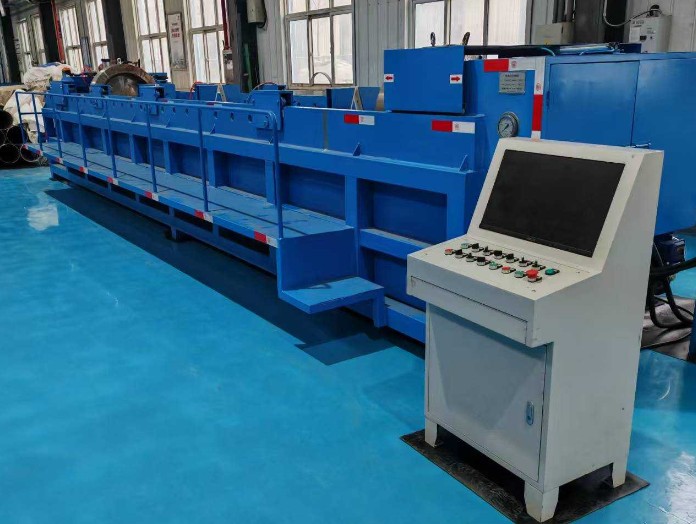
A steel pipe hydrostatic testing machine is a combination of mechanical, hydraulic and electrical systems. Changes to any of these systems can affect the total equipment cost.
|
Cost factor |
What needs to be evaluated |
Why it affects the price |
|
Pipe dimensions |
Outside diameter, wall thickness, length and weight |
Determines machine structure, supports and handling arrangement |
|
Test pressure |
Required pressure range and hydraulic capacity |
Influences pump selection, valves, piping and pressure-rated components |
|
Sealing system |
End-face, external radial or internal sealing |
Affects test-head design, sealing components and changeover arrangements |
|
Automation |
Manual, semi-automatic or automatic operation |
Changes handling mechanisms, sensors, actuators and control logic |
|
Production capacity |
Target output and required cycle coordination |
May require additional stations or faster transfer systems |
|
Data functions |
Pressure curves, test records and product identification |
Adds instrumentation, software and communication requirements |
|
Factory integration |
Conveyor connections, layout and installation scope |
May involve customized mechanical and electrical work |
Pipe dimensions are an important starting point, but they should not be considered separately from test pressure and production requirements.
For example, two machines designed for the same maximum pipe diameter may have different costs if one handles a narrow product range while the other requires frequent changes between different diameters, lengths and end configurations.
2. Why Two Hydro Testing Machine Quotations Can Be Different
The equipment name alone does not define what a supplier is offering. A quotation for a basic pressure-testing station is not directly comparable with one covering a fully integrated production-line solution.
Consider the following configuration differences:
|
Configuration |
Typical scope |
Cost consideration |
|
Basic testing station |
Test frame, sealing heads and hydraulic system |
Fewer handling and automation functions |
|
Semi-automatic machine |
Controlled testing with operator-assisted loading or unloading |
Additional positioning and operating mechanisms |
|
Fully automatic machine |
Automatic transfer, positioning, testing and unloading |
More mechanical, electrical and control components |
|
Data-recording configuration |
Pressure monitoring, curve storage and test records |
Additional instrumentation and data functions |
|
Production-line integration |
Connection to upstream and downstream equipment |
Customized layout and communication requirements |
These configurations are examples, not fixed product categories. A customized hydro testing machine may combine different functions according to the factory's actual requirements.
A higher quotation may include equipment functions that another supplier has excluded. Conversely, a lower price may cover only the essential testing unit, leaving the buyer to arrange conveyors, electrical connections, installation or data systems separately.
3. What Should a Complete Hydro Testing Machine Quotation Include?
A useful quotation should make the technical scope clear enough for an engineer to evaluate it before comparing the commercial terms.
At minimum, check the following information:
Machine operating range: The quotation should identify the applicable pipe diameter, wall thickness, length, weight and test pressure range. These should match the buyer's actual production requirements.
Hydraulic system: Confirm the pump arrangement, pressure-control method, valves, piping and relevant pressure-rated components. The quoted pressure capability should refer to the intended testing conditions, not just an isolated pump rating.
Sealing arrangement: Check how the machine accommodates the required pipe-end conditions and whether different sealing heads or changeover parts are included.
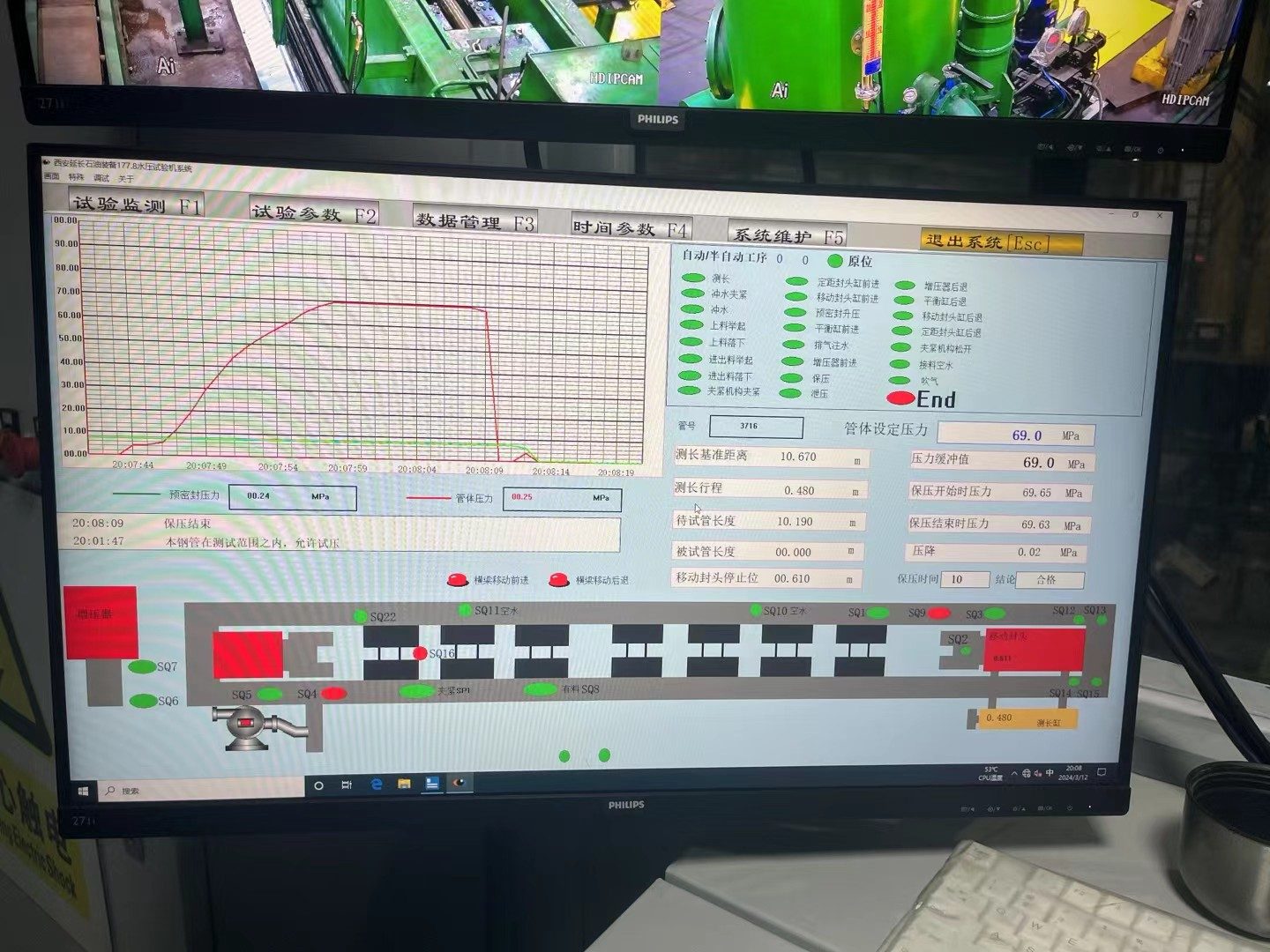
Control system: Identify the PLC, HMI, operating sequence, alarms and automatic functions included in the base configuration.
Testing records: Confirm whether pressure display, pressure-time curve recording, automatic result storage, pipe identification and report generation are included or optional.
Delivery scope: Check installation, commissioning, operator training, spare parts, documentation and after-sales support.
A supplier should also identify functions that require additional payment. This prevents optional features from being mistaken for standard equipment.
4. How to Compare Quotes on an Equal Basis
The most effective method is to prepare one technical comparison sheet and ask every supplier to respond to the same requirements.
|
Comparison item |
Supplier A |
Supplier B |
What to verify |
|
Pipe operating range |
Quoted range |
Quoted range |
Both cover the actual product mix |
|
Test pressure |
Quoted capability |
Quoted capability |
Same required test conditions |
|
Sealing system |
Included arrangement |
Included arrangement |
Suitable for the same pipe-end geometry |
|
Loading and unloading |
Included functions |
Included functions |
Same automation scope |
|
Data recording |
Included functions |
Included functions |
Same recording and traceability requirements |
|
Installation |
Included or excluded |
Included or excluded |
Same delivery responsibility |
|
Warranty and support |
Stated terms |
Stated terms |
Comparable coverage |
|
Total delivered cost |
Quoted amount |
Quoted amount |
Same currency and commercial basis |
Do not compare only the final quotation totals. First identify missing functions, optional items and exclusions. Then compare the cost of equivalent configurations.
For international purchases, also check currency, delivery terms, packing, freight, insurance, installation responsibilities and applicable taxes. These items can significantly change the final landed cost.
5. Common Mistakes When Evaluating Equipment Prices
Choosing the lowest quotation without checking technical scope. A low initial price may exclude automatic handling, customized sealing heads or installation.
Comparing machines by maximum pressure alone. The pressure rating does not establish whether the equipment can handle the required pipe dimensions, end conditions and production cycle.
Ignoring future product changes. A machine designed for only the current pipe size may require additional tooling or modifications when the product range expands.
Treating data functions as standard. Pressure display, automatic curve storage, pipe identification and factory database integration are different functions. Their inclusion should be confirmed individually.
Ignoring delivery and commissioning costs. An equipment price that excludes installation, training or necessary accessories may not represent the actual project cost.
6. Information Needed for an Accurate Customized Quotation
Because steel pipe hydrostatic testing machines are configured around individual production requirements, suppliers need more than a target budget to prepare a meaningful quotation.
The buyer should provide:
-
Minimum and maximum pipe diameter, wall thickness and length.
-
Pipe weight and end conditions.
-
Required test pressure and holding period.
-
Target production output and expected size changes.
-
Manual, semi-automatic or automatic handling preference.
-
Pressure monitoring, data recording and traceability requirements.
-
Factory layout and connection requirements.
-
Installation location and required delivery scope.
Quotation process:
Pipe specifications → Test requirements → Machine configuration → Technical scope confirmation → Commercial quotation.
The applicable product specification and inspection procedure should also be identified. API, ASTM or EN requirements may influence the testing conditions and equipment design, but they do not establish one universal machine price.
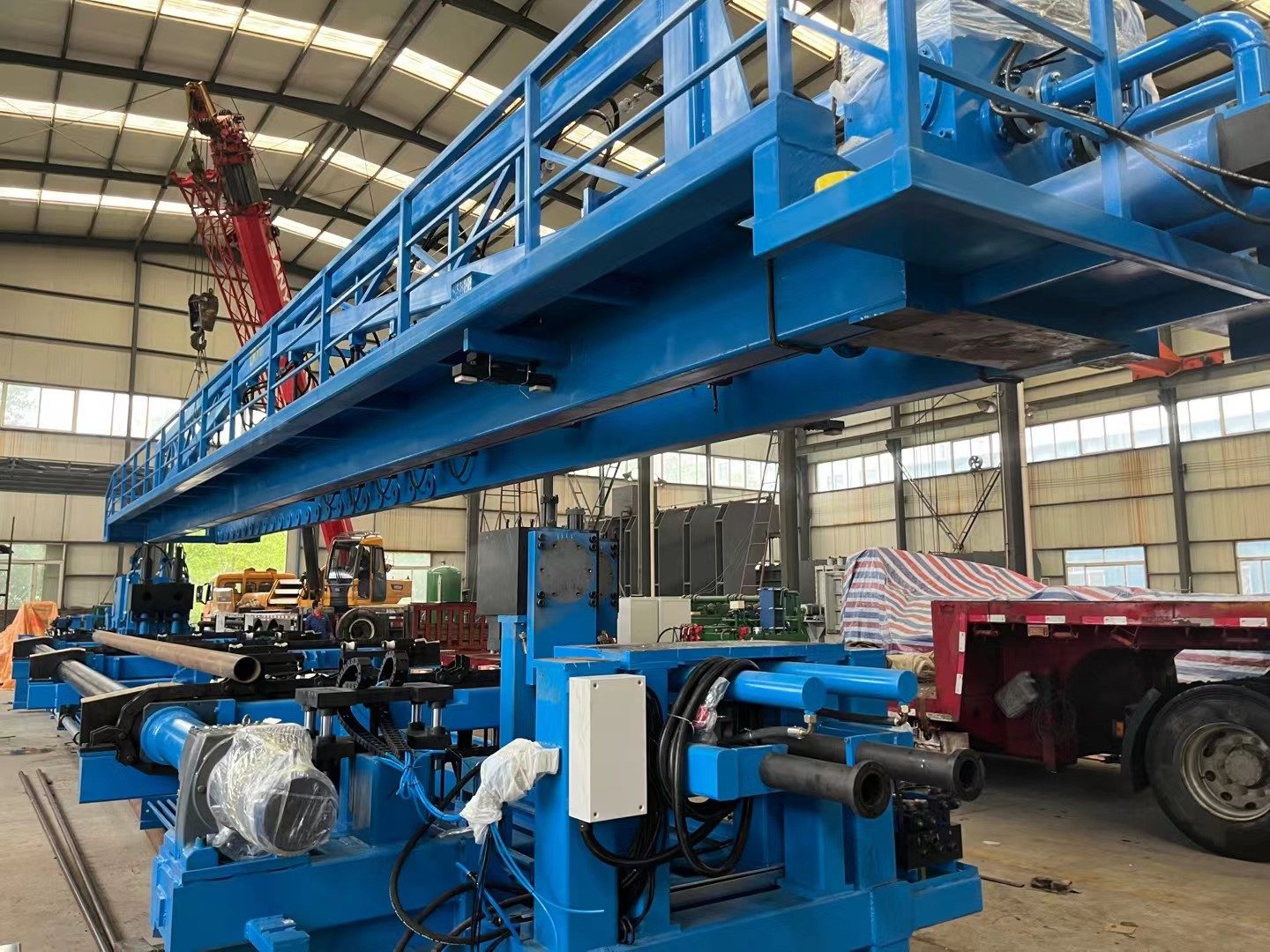
The cost of a pipe hydro testing machine is determined by the complete equipment configuration, not simply its maximum pressure or pipe diameter. Sealing design, hydraulic capacity, handling, automation, data functions and delivery scope all affect the quotation.
For a meaningful comparison, steel pipe manufacturers should first confirm that suppliers are quoting against the same product range, test requirements and included functions. Only then can differences in the Steel Pipe Hydrostatic Testing Machine Cost be evaluated fairly.A technically comparable quotation provides a much better basis for purchasing decisions than choosing equipment by the lowest initial price.


