


 HOME
HOMEPipe Hydro Testing Machine Problems That Cause Failed Pressure Tests
20 May 2026
In many pipe manufacturing workshops, a pipe hydro testing machine is considered the final checkpoint before products are shipped. Its job is simple in theory: apply pressure, hold it, and confirm there is no leakage.
But in real production environments, things are rarely that simple.
Even factories that have invested in modern equipment still experience unstable pressure results, unexpected failures, and inconsistent pass rates. After visiting and working with different pipe mills, one thing becomes clear:
Most “machine problems” are actually process problems.
Real Factory Situation: Why Failures Still Happen
In a typical pipe production line, especially ERW and seamless steel pipe plants, the pipe hydro testing machine runs continuously across multiple shifts.
What we often see in real workshops is:
- Pipes passing in one shift, failing in another
- Same pipe batch giving different results
- Operators adjusting settings repeatedly
- Leakage alarms without clear reasons
At first, many factories think the machine is unstable. But in most cases, the root cause is not the equipment itself.
It is the combination of air, sealing, calibration, timing, and upstream pipe quality.
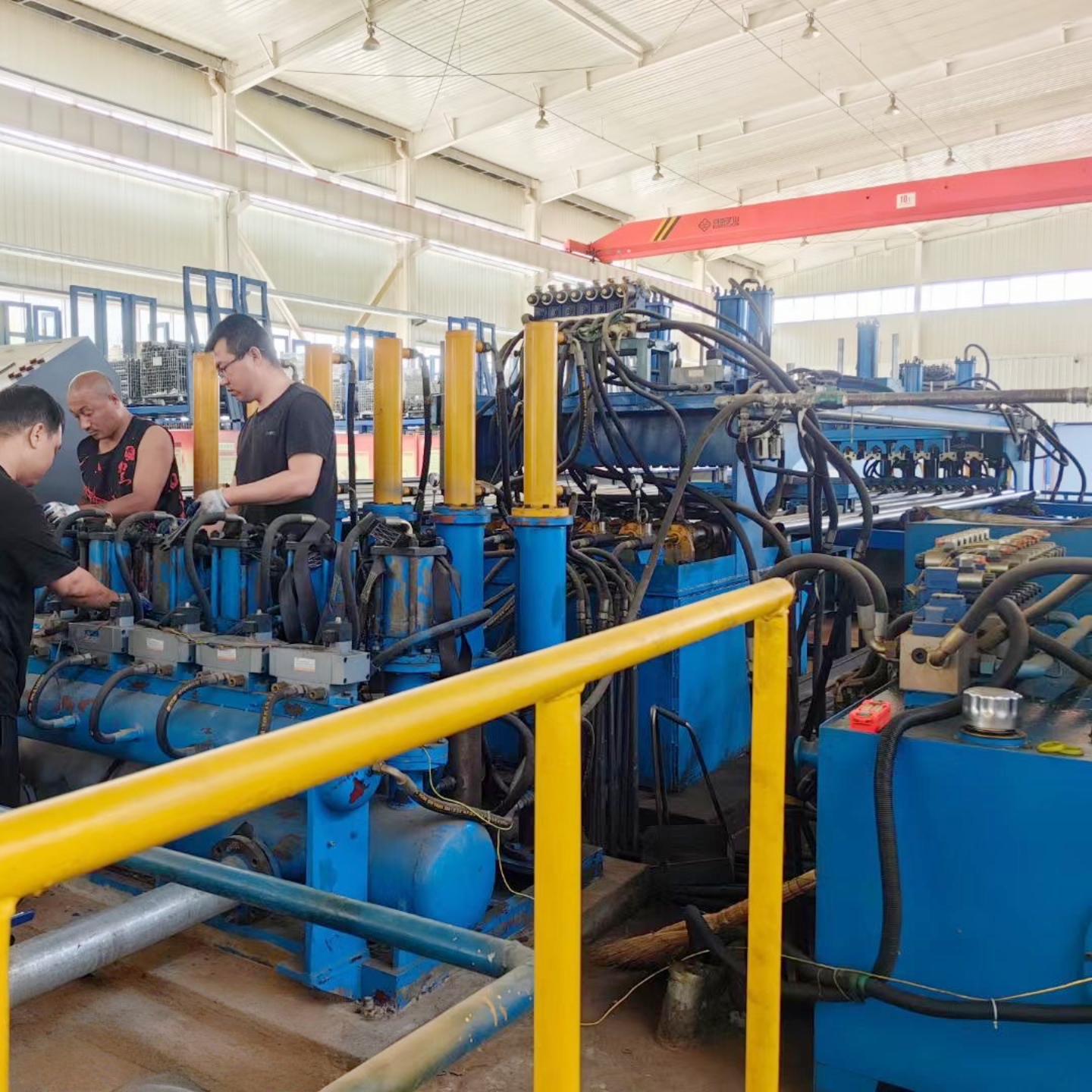
1. Trapped Air Inside the Pipe
One of the most common causes of failed pressure tests is trapped air inside the pipe.
When air is not fully removed before pressurization, the test results become unstable. Pressure may rise and fall unexpectedly, making it difficult to determine whether the pipe is truly leaking or not.
In real production, this often leads to:
- False failure results
- Unstable pressure curves
- Repeated testing of the same pipe
A properly designed pipe hydro testing machine must include effective filling and venting systems to ensure air is fully released before testing begins.
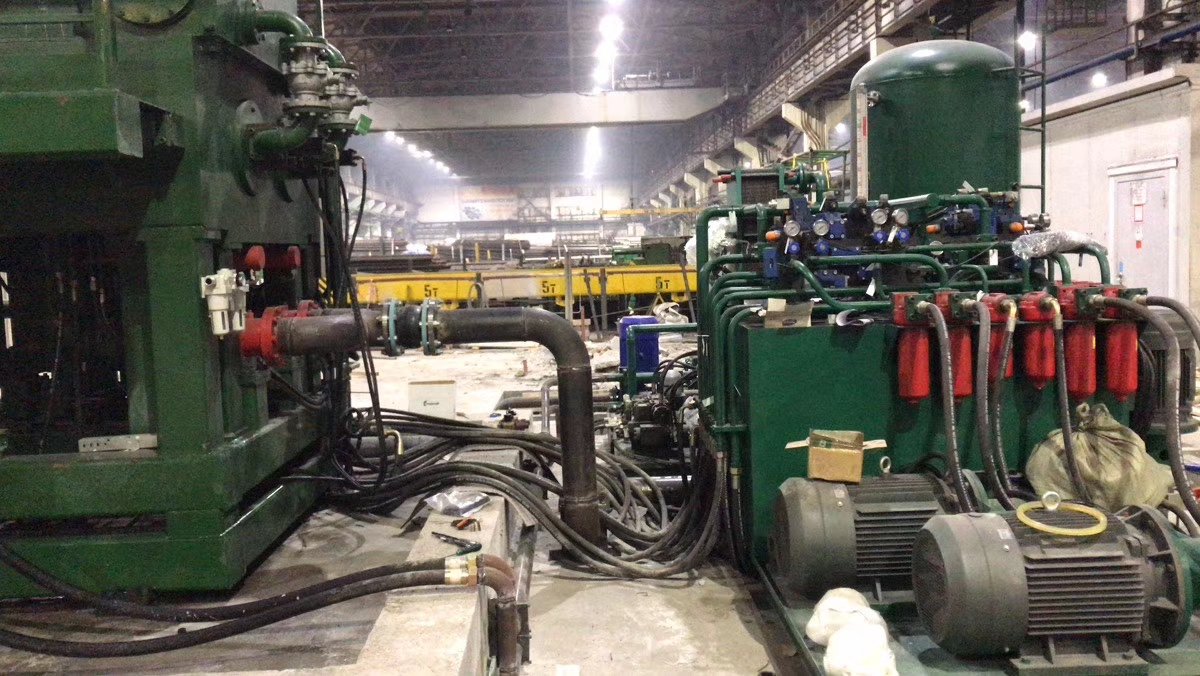
2. Sealing System Failure
Many factories report “pipe leakage issues” when in reality the pipe itself is fine.
The real issue is often the sealing system.
If the sealing head is worn, misaligned, or not suitable for the pipe diameter, it will cause:
- Water leakage at pipe ends
- False rejection of good pipes
- Pressure instability during holding phase
In many cases, upgrading the pipe hydro testing machine sealing system alone reduces failure rates significantly without changing anything else in production.
3. Pressure Curve Instability
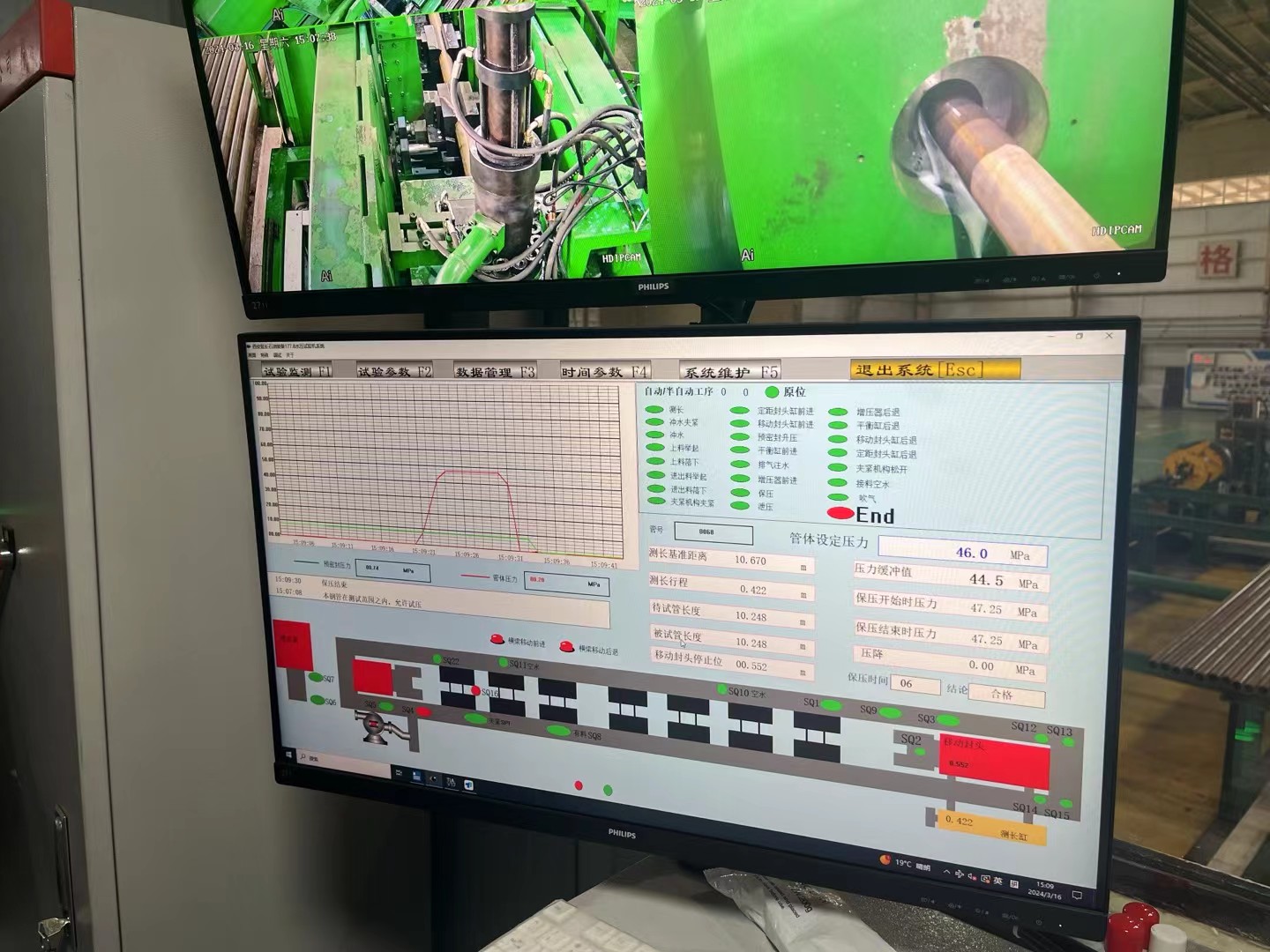
A stable pressure curve is one of the most important indicators of a reliable test.
If the pressure rises too fast, drops unexpectedly, or fluctuates during holding time, the results cannot be trusted.
Common causes include:
- Air not fully removed
- Pump instability
- Valve response delay
- Incorrect control settings
A good pipe hydro testing machine should provide a smooth and repeatable pressure curve for every pipe, regardless of operator shift or batch.
4. Calibration and Sensor Drift Issues
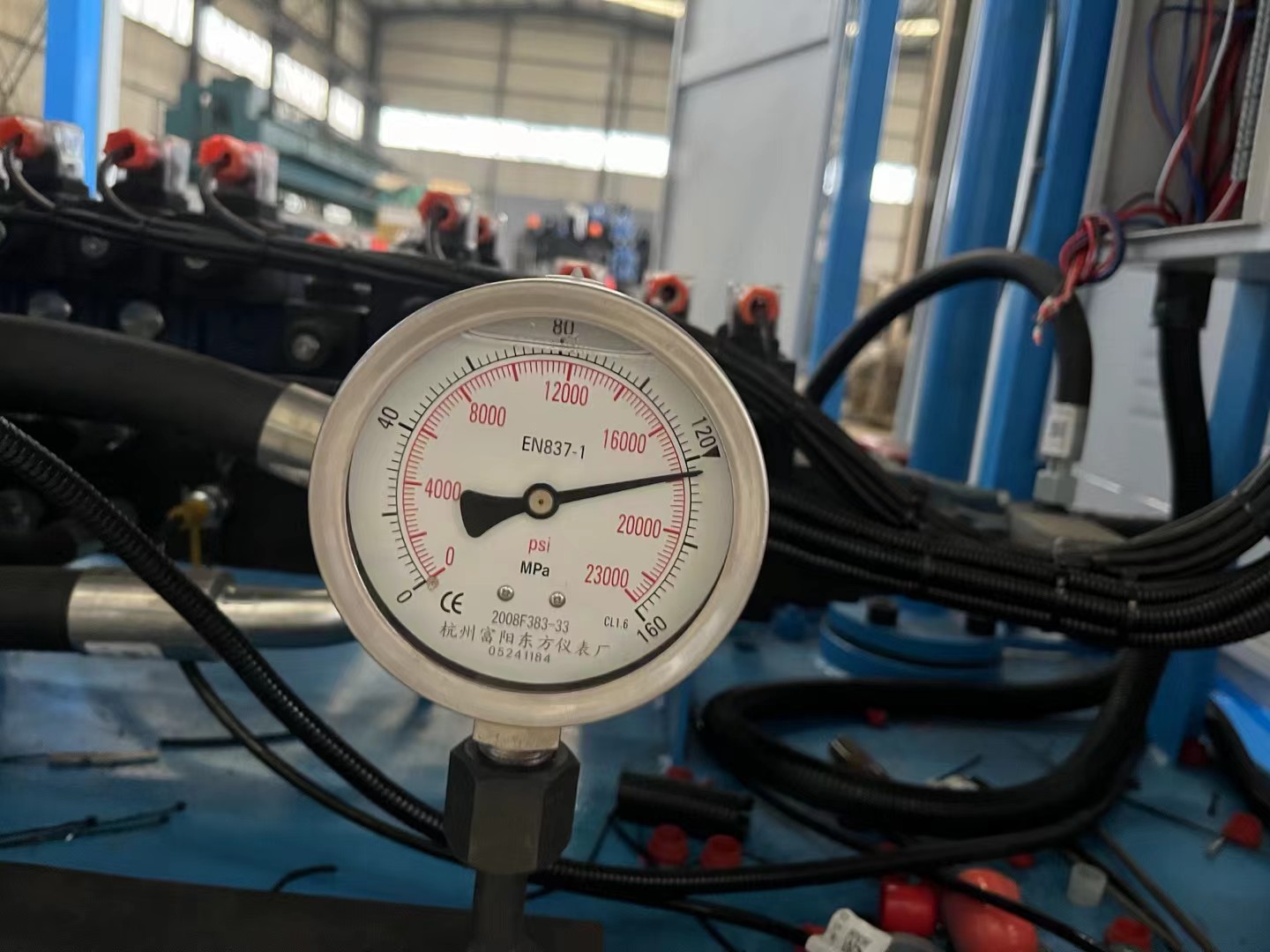
Another overlooked issue in many factories is calibration.
Even a small deviation in pressure sensors or gauges can lead to:
- Good pipes being marked as failed
- Defective pipes passing inspection
- Inconsistent results across shifts
That is why regular calibration is essential for any pipe hydro testing machine, especially in high-volume production environments.
Without it, even the best machine will produce unreliable results over time.
5. Pipe Quality Problems from Upstream Process
Not all failures come from testing.
In many seamless steel pipe plants, defects originate from:
- Wall thickness inconsistency
- Surface cracks
- End face defects
- Material impurities
A pipe hydro testing machine does not create defects — it only reveals them.
That is why some batches fail repeatedly even after machine adjustments.
What Real Factories Do Differently
Experienced pipe mills usually do not blame the machine immediately.
Instead, they focus on:
- Venting system optimization
- Seal maintenance schedule
- Operator training consistency
- Calibration routine control
- Stable testing cycle design
This is why two factories with the same pipe hydro testing machine can have completely different pass rates.
Quick Summary: Why Pressure Tests Fail
|
Cause |
Real Issue |
Fix Direction |
|
Trapped air |
Improper venting |
Improve filling & exhaust system |
|
Seal leakage |
Worn or misaligned seals |
Replace or redesign sealing head |
|
Pressure fluctuation |
System instability |
Check pump & control logic |
|
Wrong judgment |
Sensor drift |
Recalibration |
|
Random failures |
Pipe quality issues |
Check upstream production |
A pipe hydro testing machine is not just a testing device — it is a quality validation system that reflects the stability of the entire pipe production line.
Most pressure test failures are not caused by the machine itself, but by small issues such as air control, sealing condition, calibration accuracy, and upstream pipe quality.
Factories that achieve stable testing results are not always using the most expensive equipment — but they are the ones that control every detail of the testing process.


