


 HOME
HOMEWhat Buyers Should Ask Suppliers About Pipe Pressure Testing Equipment
11 March 2026
Buying Pipe pressure testing equipment is not something most companies do every day. For many pipe manufacturers, it’s a long-term investment that affects product quality, safety compliance, and production efficiency. If the equipment is poorly chosen, the consequences can show up later in the form of inaccurate testing, downtime, or failed inspections.
That’s why experienced buyers don’t just ask about price. They ask the right questions before placing an order.
Below are the key questions smart buyers ask suppliers before purchasing Pipe pressure testing equipment, along with practical insights to help you avoid costly mistakes.
1. What Testing Standards Does the Equipment Comply With?
The first question should always be about testing standards.
Quality Pipe pressure testing equipment should support internationally recognized standards such as:
-
ISO 1167
-
ASTM D1598
-
ASTM D1599
-
API pipeline testing standards
Machines built to these standards ensure that pressure resistance and burst tests produce reliable and accepted results across different industries.
If a supplier cannot clearly explain which standards their Pipe pressure testing equipment follows, that’s a red flag.
2. What Is the Maximum Test Pressure and Accuracy?
Pressure capability is the core performance metric of any Pipe pressure testing equipment.
Typical industrial testing machines may support pressures ranging from 5 MPa to 25 MPa or higher, depending on pipe specifications.
But pressure alone isn’t enough — you also need to know the accuracy level.
A good question to ask suppliers:
-
What is the pressure accuracy tolerance?
-
Can the system maintain constant pressure during long tests?
-
Does the equipment support burst testing and sustained pressure testing?
For example, many modern systems provide pressure control accuracy around ±1%, ensuring stable and repeatable results.
3. What Pipe Sizes and Lengths Can the Machine Handle?
Not every Pipe pressure testing equipment is designed for the same pipe dimensions.
Industrial testers may handle:
-
Pipe diameters from 20 mm to over 1400 mm
-
Pipe lengths from 4 m to 12 m or more
Before committing to a purchase, ask the supplier:
-
What is the maximum pipe diameter?
-
What pipe lengths are supported?
-
Can the equipment be customized for future production changes?
Choosing the wrong capacity is one of the most common purchasing mistakes.
4. Is the System Manual, Semi-Automatic, or Fully Automatic?
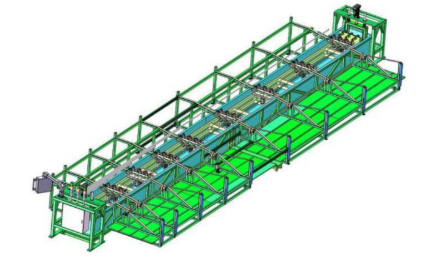
Automation plays a huge role in testing efficiency.
Modern Pipe pressure testing equipment may include:
-
PLC automatic control systems
-
Real-time pressure monitoring
-
Data recording and reporting
-
Automatic clamping and sealing mechanisms
Here’s a simple comparison buyers should consider:
| Feature | Manual System | Automatic System |
|---|---|---|
| Operation | Operator-controlled | PLC or computer controlled |
| Testing speed | Slower | Faster and consistent |
| Data recording | Manual records | Digital logging |
| Error risk | Higher | Lower |
If your factory runs high-volume production, automated Pipe pressure testing equipment will save both time and labor.
5. How Does the Equipment Ensure Safety?
Hydrostatic testing involves significant pressure, which means safety must be part of the equipment design.
Reliable Pipe pressure testing equipment should include:
-
Pressure relief valves
-
Emergency stop systems
-
Overpressure alarms
-
Secure pipe end closures
-
Real-time pressure monitoring
Safety devices such as relief valves and calibrated gauges are essential to prevent pressure accidents during testing.
Ask suppliers to clearly explain their safety features.
6. Does the Machine Provide Data Logging and Test Reports?
In many industries, test results must be recorded and traceable.
Modern Pipe pressure testing equipment often includes:
-
Digital pressure curve display
-
Automated data storage
-
Test report printing
-
Computer interface for quality tracking
This data is especially important when pipes are used in critical applications such as:
-
oil and gas pipelines
-
municipal water systems
-
industrial pressure pipelines
Without reliable records, proving product quality becomes much harder.
7. What After-Sales Support Does the Supplier Offer?
Even the best Pipe pressure testing equipment needs maintenance.
Before placing an order, ask suppliers about:
-
Spare parts availability
-
Installation assistance
-
Operator training
-
Remote technical support
-
Warranty period
Good suppliers treat the machine as a long-term partnership, not just a one-time sale.
Quick Supplier Evaluation Checklist
Before finalizing a purchase, compare suppliers using a simple checklist:
| Evaluation Factor | Why It Matters |
|---|---|
| Standards Compliance | Ensures testing validity |
| Pressure Range | Matches product requirements |
| Pipe Size Capacity | Avoids future limitations |
| Automation Level | Improves productivity |
| Safety Systems | Protects operators |
| Data Recording | Enables quality traceability |
| After-Sales Service | Reduces downtime |
Using a checklist like this makes supplier comparisons much easier.
Buying Pipe pressure testing equipment isn’t just about selecting a machine — it’s about protecting your product quality and reputation.
By asking the right questions about standards, pressure capability, automation, safety, and support, buyers can avoid many of the hidden risks associated with poorly chosen testing systems.
In the long run, the right Pipe pressure testing equipment becomes a key part of your quality control s


