


 HOME
HOMEHow Does a Steel Pipe Hydro Testing Machine Work
12 August 2026
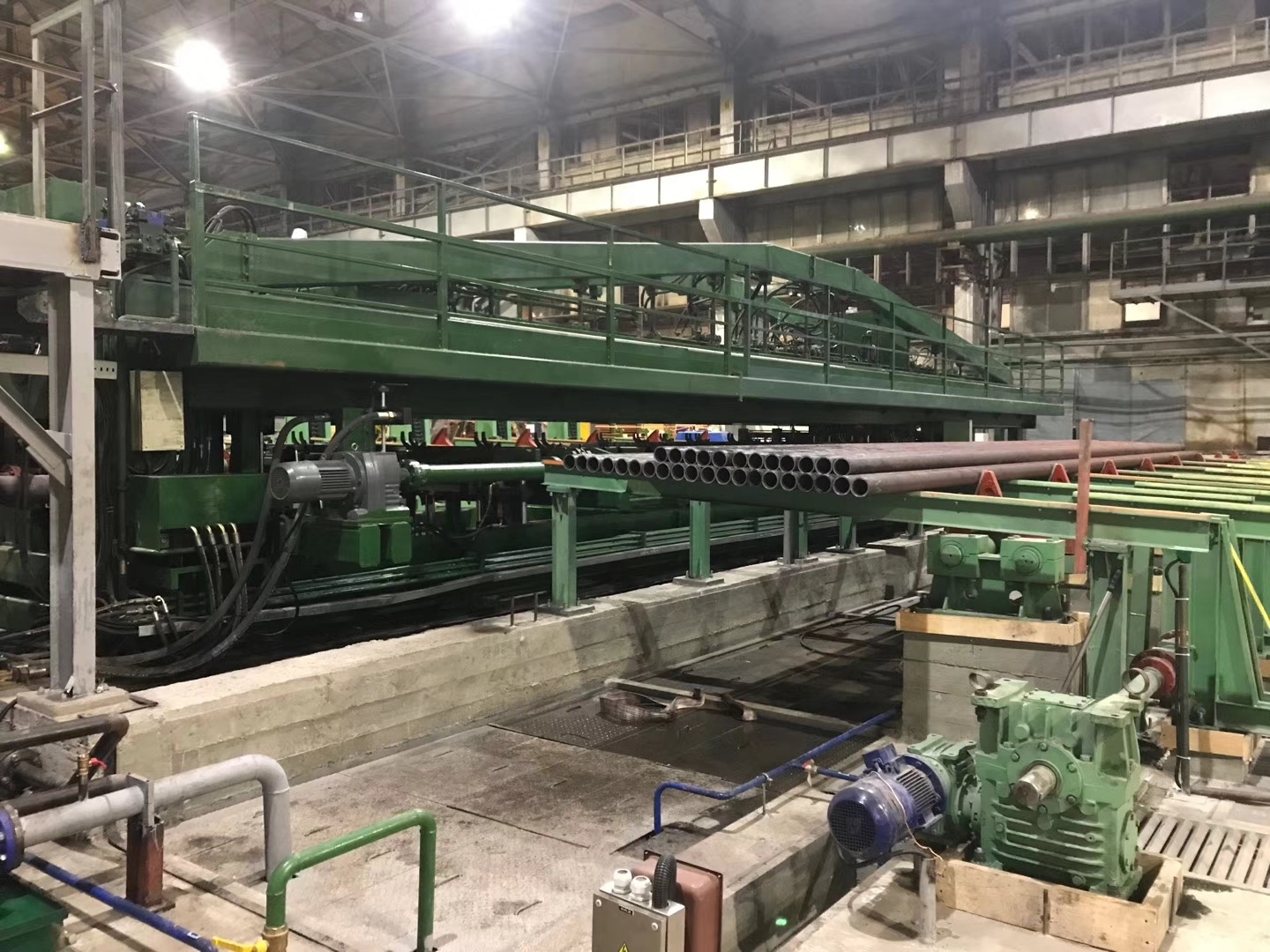
Steel pipe hydrostatic testing is a critical quality control process used to verify the strength and leak tightness of finished steel pipes before they leave the factory. A Steel Pipe Hydro Testing Machine works by filling the pipe with water, sealing both ends, increasing the internal pressure to a specified test value, and maintaining that pressure for a predetermined period. Any pressure loss or visible leakage indicates that the pipe does not meet quality requirements. Because water is nearly incompressible, hydrostatic testing provides a safe and reliable method for evaluating pipe integrity without damaging the product, making it a standard inspection procedure in modern steel pipe manufacturing.
Why Is Hydrostatic Testing Necessary?
Whether a steel pipe is used for oil and gas transmission, water pipelines, structural applications, or pressure vessels, it must withstand its designed working pressure throughout its service life. Even minor manufacturing defects—such as weld discontinuities, pinholes, or small cracks—can eventually lead to leakage or premature failure.
Hydrostatic testing simulates real operating conditions by applying internal water pressure under controlled parameters. Instead of relying solely on visual inspection, manufacturers can verify the structural integrity of every pipe before shipment, improving product reliability while reducing the risk of costly failures in the field.
Today, hydrostatic testing has become a standard quality inspection procedure for seamless pipes, ERW pipes, LSAW pipes, SSAW pipes, and many other pressure-bearing steel products.
Typical Applications
|
Industry |
Typical Products |
|
Oil & Gas |
API line pipe, transmission pipelines |
|
Water Supply |
Municipal water pipelines |
|
Construction |
Structural steel pipes |
|
Petrochemical |
Process piping systems |
|
Power Generation |
Boiler and heat exchanger pipes |
How Does a Steel Pipe Hydro Testing Machine Operate?
Although machine configurations vary depending on pipe size and production capacity, the testing sequence follows the same engineering principles.
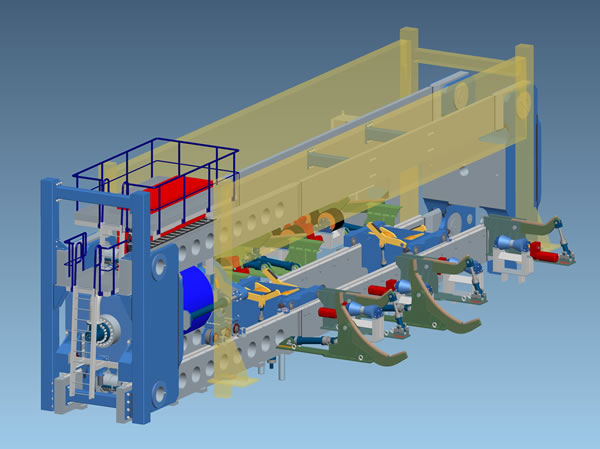
The process begins when the pipe is automatically transferred into the testing station. Hydraulic clamps position and secure the pipe while the pressure test heads move forward to seal both ends. Depending on pipe dimensions and customer requirements, different sealing methods can be selected to achieve stable and reliable sealing performance.
Once the pipe is sealed, water is injected into the pipe while the remaining air is discharged through the exhaust system. Eliminating trapped air is an important step because compressed air can affect pressure stability and reduce testing accuracy.
After the pipe is completely filled with water, the exhaust valve closes and the high-pressure system gradually increases the internal pressure to the specified testing value. The machine then maintains the pressure for a preset holding time while continuously monitoring pressure changes throughout the entire testing cycle.
Typical Technical Specifications
The exact configuration depends on production requirements, but a modern Marley Machinery steel pipe hydro testing machine can typically provide the following capabilities.
|
Item |
Typical Specification |
|
Maximum Pipe Outside Diameter |
Up to Ø1420 mm |
|
Maximum Pipe Length |
Up to 25 m |
|
Maximum Testing Pressure |
Up to 150 MPa |
|
Pressure Holding Time |
Adjustable |
|
Testing Stations |
Single or Multi-Station |
|
Testing Medium |
Water-Based Emulsion (Recyclable) |
Key Features That Improve Testing Efficiency
Modern steel pipe production requires more than simply applying pressure. Manufacturers also expect stable performance, repeatable testing accuracy, and efficient production management. For this reason, today's hydrostatic testing machines integrate mechanical, hydraulic, and electrical control systems into one automated solution.
Marley Machinery designs its Steel Pipe Hydro Testing Machines to support continuous operation in demanding production environments. Automatic loading and unloading systems reduce manual handling, while PLC-based control ensures that every testing cycle follows the same programmed sequence. This not only improves inspection consistency but also minimizes the possibility of operator error.
Another important advantage is the flexibility of the equipment. Different steel pipe specifications require different sealing methods, pressure settings, and production speeds. A properly configured hydro testing machine can adapt to various pipe sizes without sacrificing testing accuracy or production efficiency.
Multiple Sealing Solutions for Different Pipe Sizes
Reliable sealing is one of the most critical factors in hydrostatic testing. If the sealing performance is unstable, pressure cannot be maintained accurately, which may result in false test results or production interruptions.
To accommodate different pipe dimensions and end conditions, Marley Machinery offers several sealing solutions, allowing customers to select the most suitable configuration for their production line.
|
Sealing Method |
Typical Application |
|
Pipe End Face Seal |
Standard finished pipe ends |
|
Internal Rubber Expansion Seal |
Thin-wall or small-diameter pipes |
|
External Radial Seal |
General industrial applications |
|
Large Gap Outer Diameter Seal |
Pipes with large diameter variations |
Selecting the appropriate sealing method helps improve testing stability while reducing seal wear and maintenance requirements.
Intelligent Control and Reliable Hydraulic Performance
Automation has become an essential part of modern pipe manufacturing. A hydro testing machine is no longer just a pressure-testing device—it is also an important source of production data and quality records.
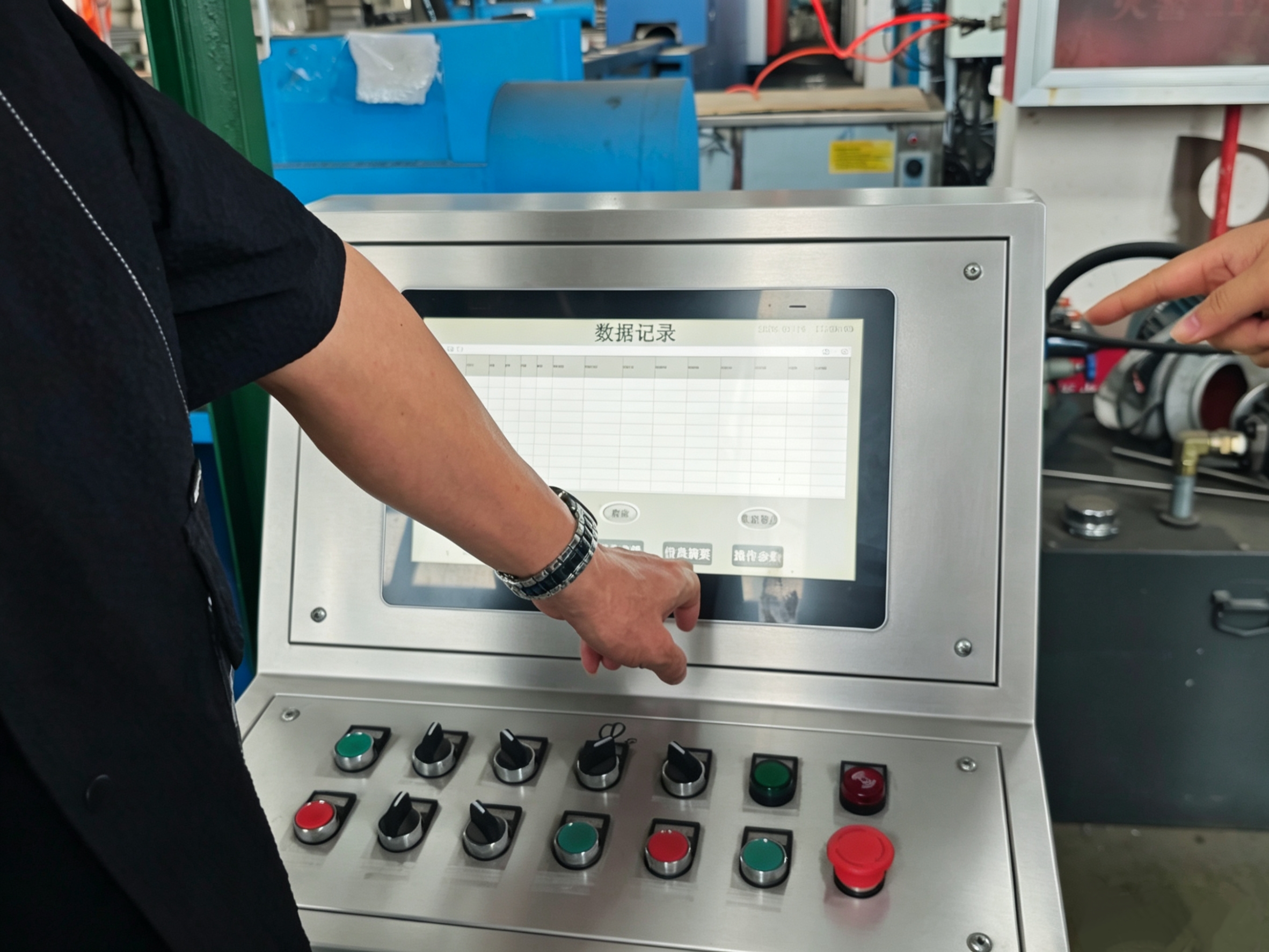
Marley Machinery machines are equipped with Siemens PLC control systems and industrial computers that automatically monitor the complete testing cycle. Parameters such as testing pressure, holding time, and inspection results can be recorded and stored for quality traceability.
The hydraulic system uses internationally recognized Rexroth components together with a stainless-steel hard-sealing valve structure developed by Marley Machinery. Compared with conventional soft-sealing designs, this configuration offers better durability, lower maintenance requirements, and more stable performance during long-term operation.
When a pipe does not pass the hydrostatic test, the control system can automatically generate an alarm and send the product to the designated rejection area, helping manufacturers improve inspection efficiency without interrupting production.
Why Water-Based Emulsion Is Used
Hydrostatic testing requires a safe and stable testing medium. Water-based emulsion is widely used because it combines reliable pressure transmission with effective corrosion protection.
By adding an emulsifier or water-soluble anti-rust oil to clean water, the testing medium helps protect both the equipment and the steel pipe from flash rust after testing. The liquid is filtered and recycled through the circulation system, reducing water consumption and lowering operating costs.
|
Advantage |
Benefit |
|
Safe Testing Medium |
Lower stored energy than compressed gas |
|
Corrosion Protection |
Helps prevent flash rust after testing |
|
Recycling System |
Reduces water consumption |
|
Lower Operating Cost |
Suitable for continuous production |
Why Choose Marley Machinery?
Reliable inspection equipment plays an important role in maintaining product quality and production efficiency. With years of experience in steel pipe production equipment, Marley Machinery provides customized hydrostatic testing solutions for seamless, ERW, LSAW, and SSAW pipe manufacturing lines.
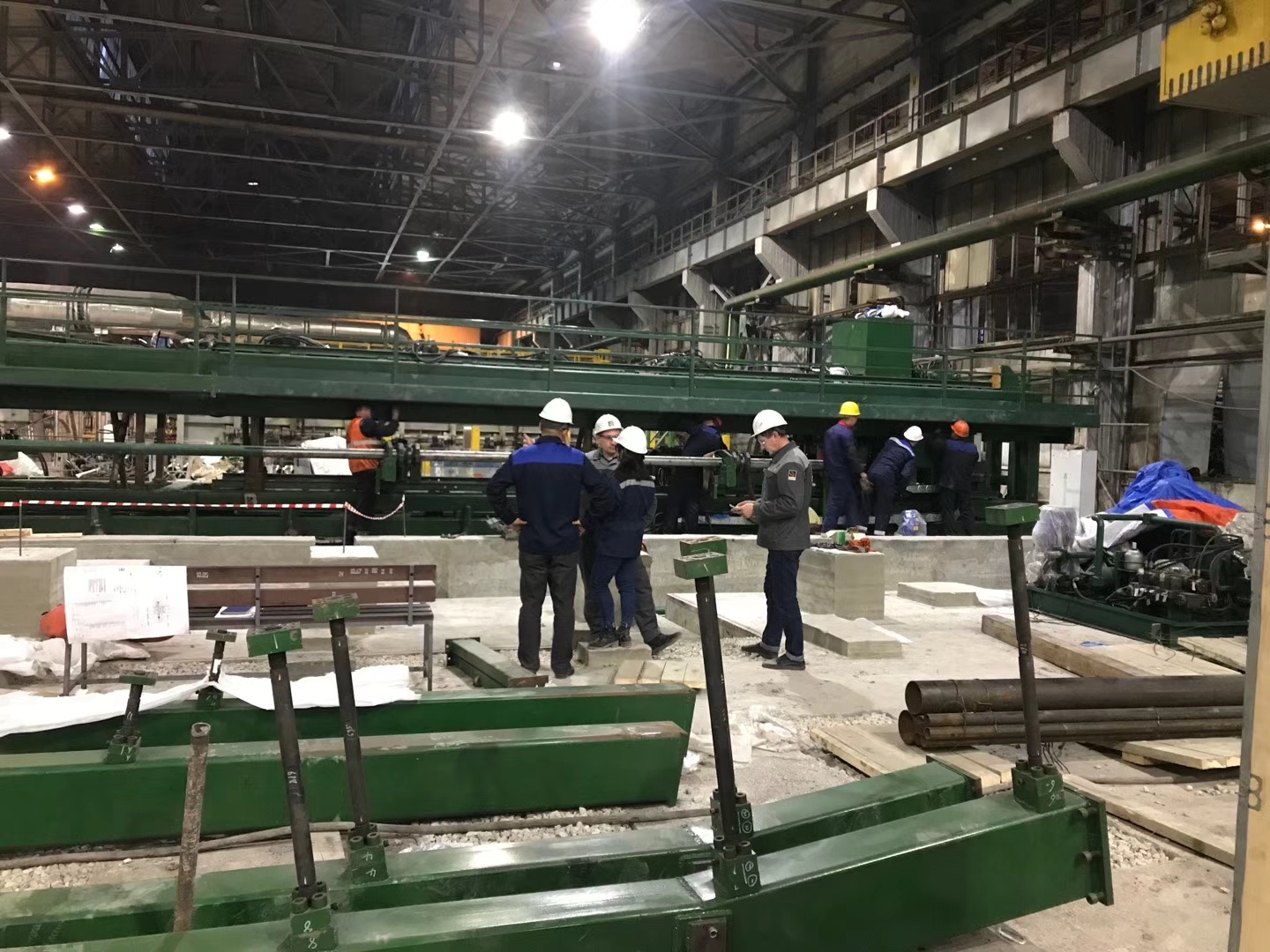
Each machine is designed according to the customer's pipe dimensions, testing pressure, production capacity, and factory layout. From mechanical structure and hydraulic systems to electrical control and after-sales support, Marley Machinery focuses on delivering dependable equipment that can operate reliably in demanding industrial environments.
Frequently Asked Questions
Does every steel pipe require hydrostatic testing?
Testing requirements depend on the applicable manufacturing standard and customer specifications. Many steel pipes used in pressure applications are required to undergo hydrostatic testing before shipment to verify pressure resistance and leak tightness.
Can the pressure holding time be adjusted?
Yes. Pressure holding time is fully adjustable through the control system and can be configured according to different product specifications or applicable testing standards.
What happens if a pipe fails the test?
If pressure loss or leakage is detected during the testing cycle, the system automatically identifies the pipe as unqualified. Depending on the production line configuration, the rejected pipe can be separated automatically for further inspection or repair.


