HOME
HOMEPipe Hydro Testing Machine What Causes Test Delays
27 May 2026
Common Production Problems Pipe Manufacturers Notice After Real Factory Operation Starts
In pipe manufacturing, testing delays rarely come from a single major failure.
More often, production slows down because of small issues that build over time.
A seal replacement takes longer than expected. Pipe loading becomes inefficient during shift changes. Water circulation performance gradually drops. Operators repeat testing because pressure holding becomes inconsistent.
Individually, none of these problems look serious.
Together, they reduce production efficiency.
Factories running a pipe hydro testing machine usually focus heavily on testing accuracy and pressure performance. But experienced production managers often pay equal attention to something else:
Testing rhythm.
Because once production volume grows, even minor interruptions can affect delivery schedules, labor efficiency, and operating costs.
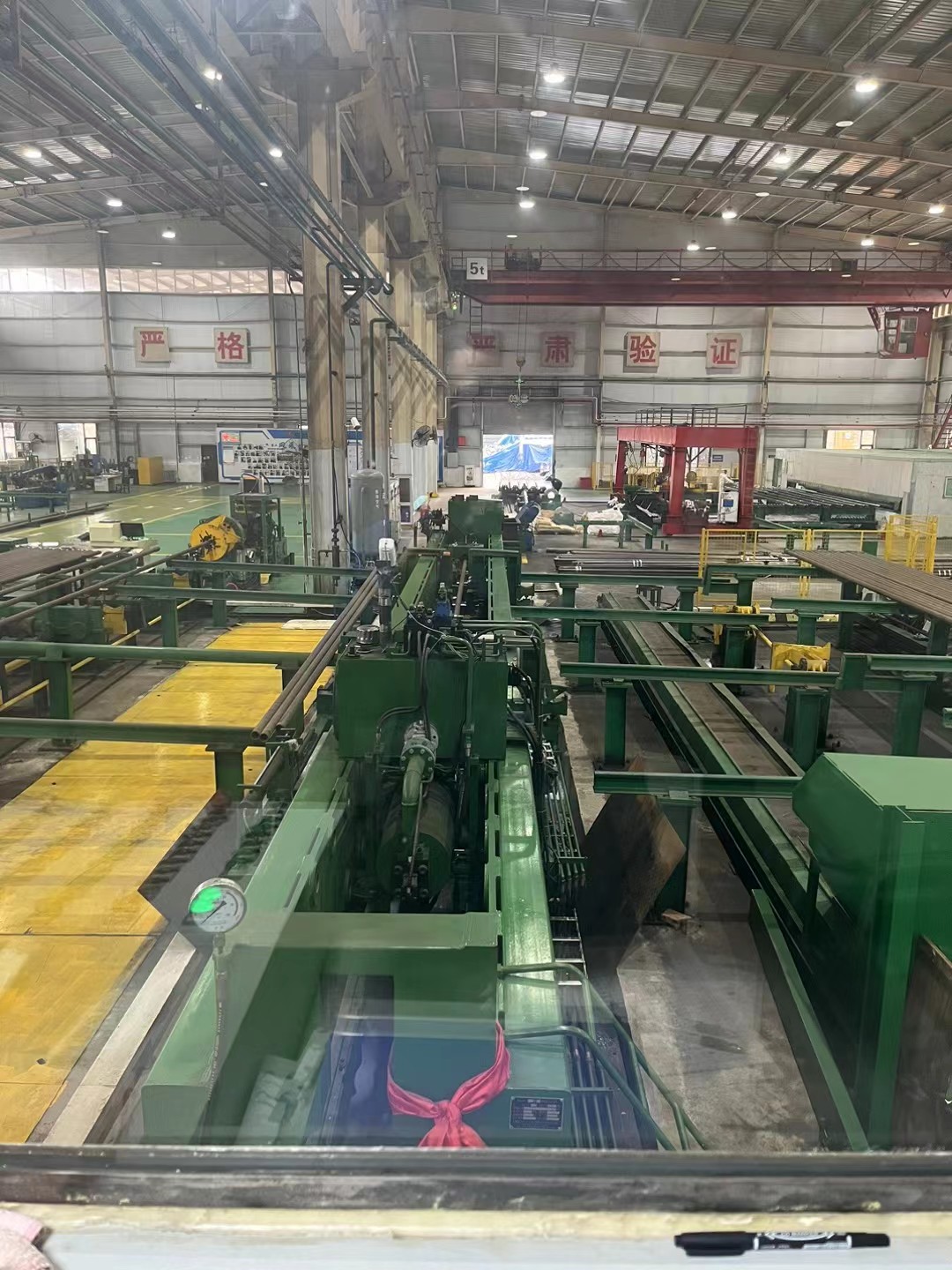
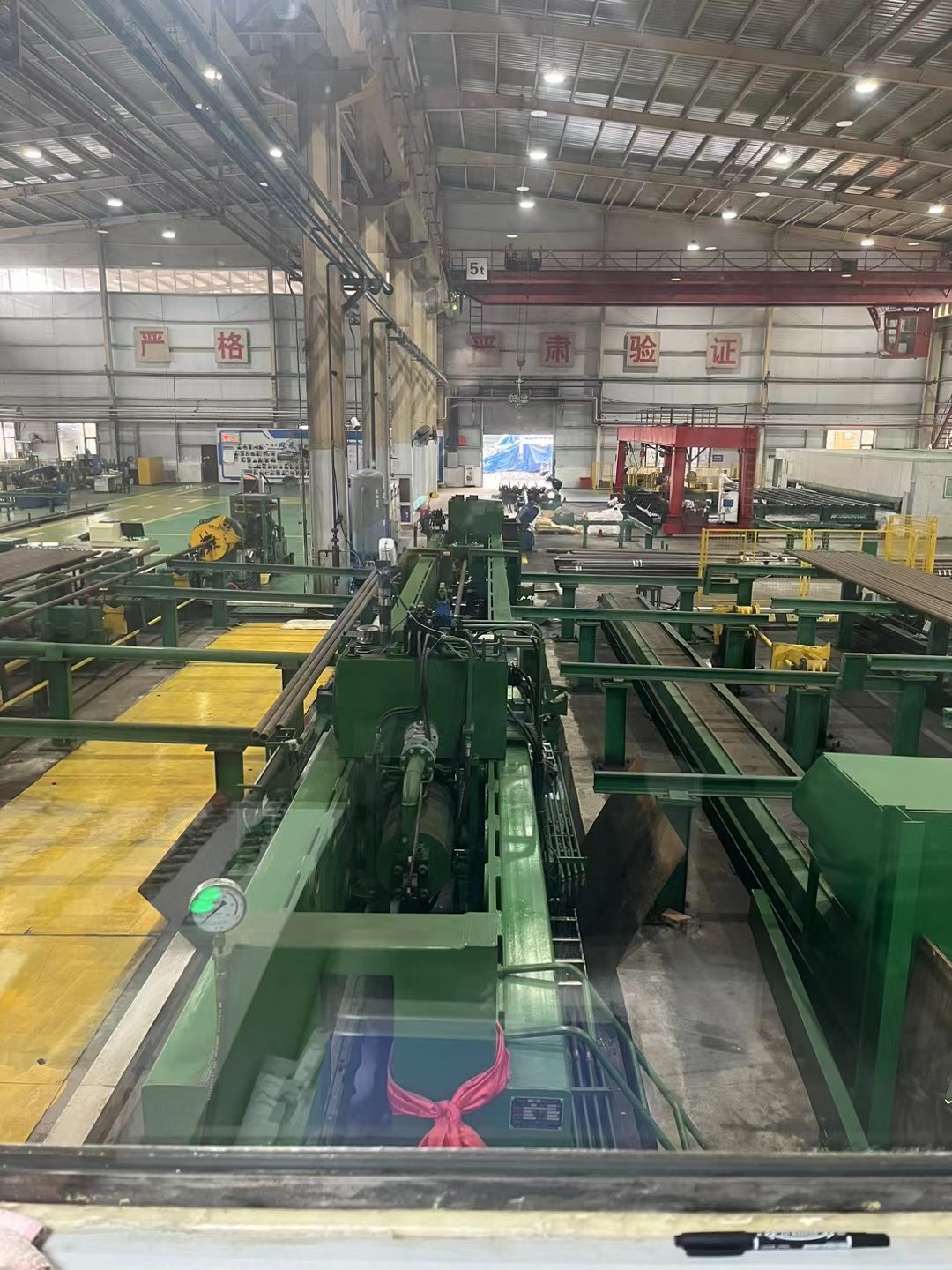
For manufacturers producing industrial pipe, stainless steel tube, structural pipe, or export-grade products, understanding what creates delays inside a pipe hydro testing machine process becomes increasingly important.
Small Delays Become Larger Production Problems
New workshops sometimes underestimate how quickly minor inefficiencies accumulate.
Ten seconds lost during one cycle may not matter.
Ten seconds lost across hundreds of pipes every shift becomes significant.
Production teams usually notice test delays appearing in several ways:
- Longer waiting time between pipes
- Increased retesting frequency
- More operator intervention
- Slower shift productivity
- Equipment idle time between cycles
A properly managed pipe hydro testing machine should maintain consistent operating flow rather than forcing operators to constantly adjust around problems.
Factories with stable production often focus heavily on removing bottlenecks before they become daily frustrations.
Pipe Loading Problems Slow More Production Than Many Factories Expect
Testing speed starts before pressure testing begins.
Pipe loading efficiency directly affects cycle time.
A pipe hydro testing machine operating with inconsistent loading conditions often experiences:
- Delayed pipe positioning
- Alignment corrections
- Additional operator handling
- Irregular testing rhythm
These issues become especially noticeable when production includes multiple pipe dimensions.
Experienced factories frequently improve loading areas first before modifying machine settings.Simple layout improvements sometimes create measurable efficiency gains.
Common Production Issues That Create Hydro Testing Delays
|
Production Issue |
What Usually Happens Later |
|
Pipe loading inconsistency |
Operators spend more time positioning material |
|
Seal wear |
Pressure holding becomes less stable |
|
Poor water circulation |
Testing cycles become slower |
|
Delayed maintenance schedules |
Unexpected downtime increases |
|
Operator process variation |
Production rhythm becomes inconsistent |
|
Mixed pipe specifications without preparation |
More setup adjustments between jobs |
Seal Wear Often Creates Hidden Efficiency Losses
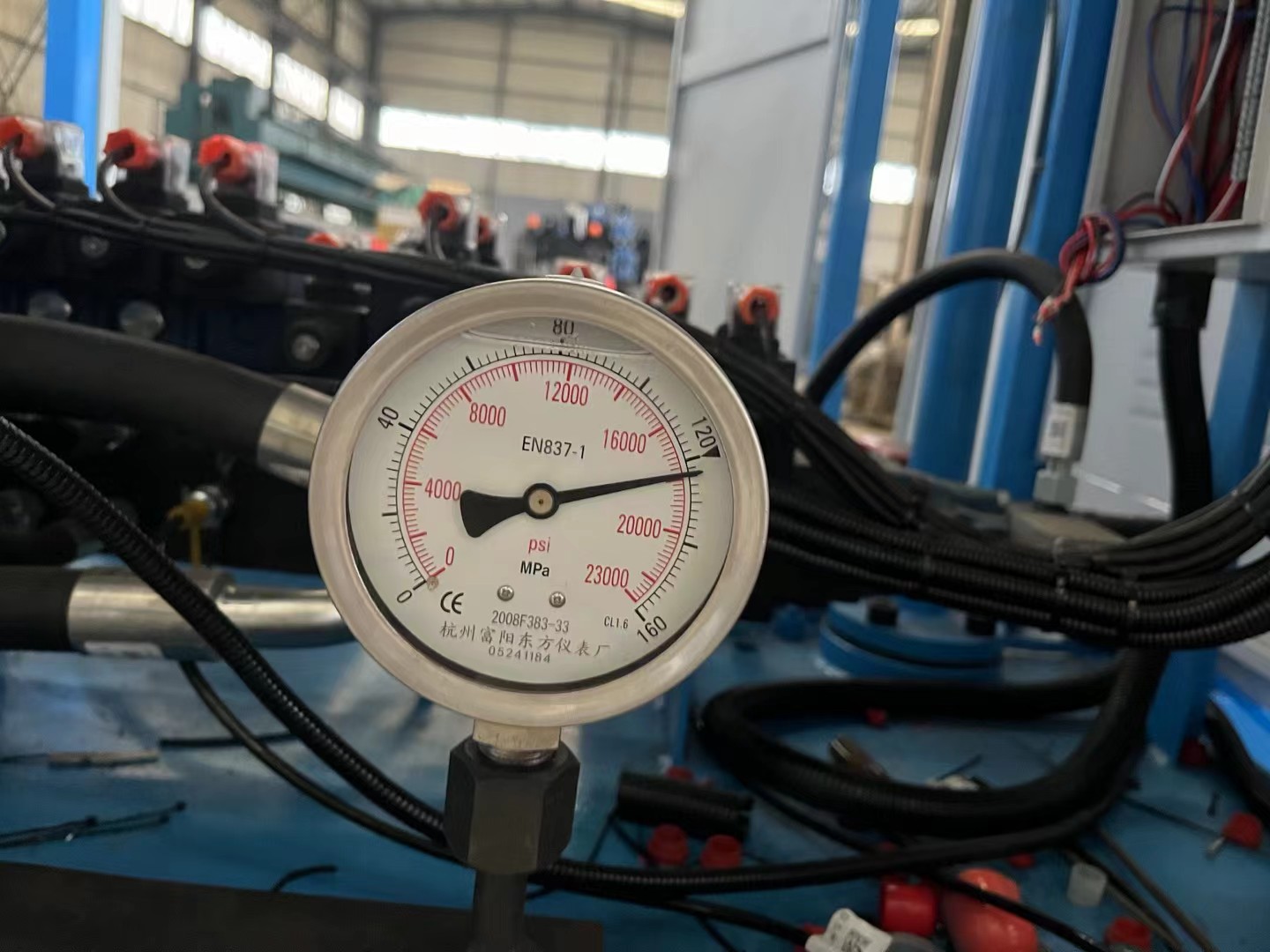
Maintenance teams often identify sealing components as one of the first areas affecting long-term performance.
A pipe hydro testing machine depends heavily on stable sealing during pressure testing.
As sealing components wear over time, factories may notice:
- Additional leakage
- Slower pressure stabilization
- More testing variation
- Repeated inspection cycles
The problem develops gradually.
Production teams sometimes adapt to slower performance without immediately recognizing the root cause.
Regular maintenance routines usually reduce this issue significantly.
Experienced workshops often monitor seal condition proactively rather than waiting for visible failure.
Water System Performance Affects Testing Speed More Than Many New Workshops Expect
Water circulation influences hydro testing efficiency directly.
A pipe hydro testing machine operating with poor water system performance may experience:
- Longer filling cycles
- Pressure instability
- Slower recovery between tests
- Pump strain
Water-related slowdowns become increasingly noticeable during higher production volumes.
Factories planning continuous operation often prioritize:
|
Water System Area |
Production Impact |
|
Water recovery efficiency |
Faster testing turnaround |
|
Filtration quality |
More stable long-term operation |
|
Pump condition |
Consistent cycle performance |
|
Drainage planning |
Cleaner workflow |
Well-maintained water systems support smoother testing rhythm.Small improvements often create long-term benefits.
Mixed Pipe Production Creates More Setup Time
Many industrial pipe workshops process different specifications throughout the day.
Pipe diameter changes.
Wall thickness changes.
Material type changes.
A pipe hydro testing machine supporting mixed production environments requires efficient setup procedures.
Without preparation, operators may spend additional time adjusting:
- Seal positioning
- Pipe alignment settings
- Pressure parameters
- Handling procedures
Factories processing multiple specifications often reduce delays by organizing production scheduling more strategically.Grouping similar pipe jobs together sometimes improves overall efficiency.
Operator Training Still Matters More Than Many Factories Realize
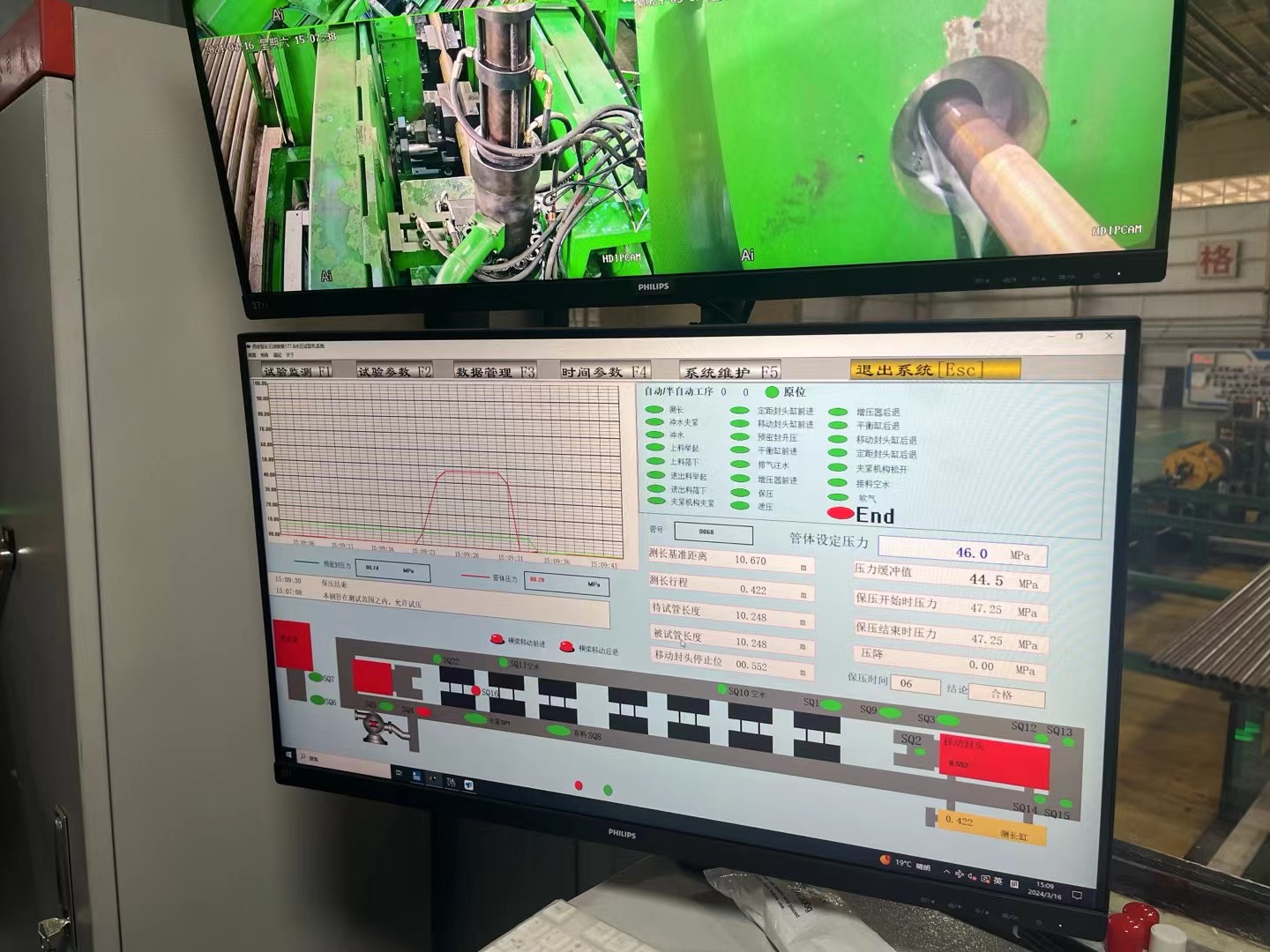
Automation helps.
Operator consistency still matters.
A pipe hydro testing machine operating under inconsistent procedures often develops avoidable slowdowns.
Experienced production teams commonly standardize:
- Pipe loading methods
- Seal inspection routines
- Water circulation checks
- Startup procedures
- Shift handover communication
Well-trained operators often identify developing problems before production disruption becomes noticeable.
Small operating habits create long-term impact.
Delayed Maintenance Usually Costs More Time Later
Production pressure sometimes pushes maintenance further down the priority list.
Short-term output improves.
Long-term reliability usually suffers.
Factories operating a pipe hydro testing machine continuously often find that delayed maintenance eventually creates:
- Longer downtime
- More emergency repairs
- Reduced testing consistency
- Lower production confidence
Experienced factories usually treat maintenance as production protection rather than production interruption.
Preventive maintenance often supports stronger long-term efficiency.
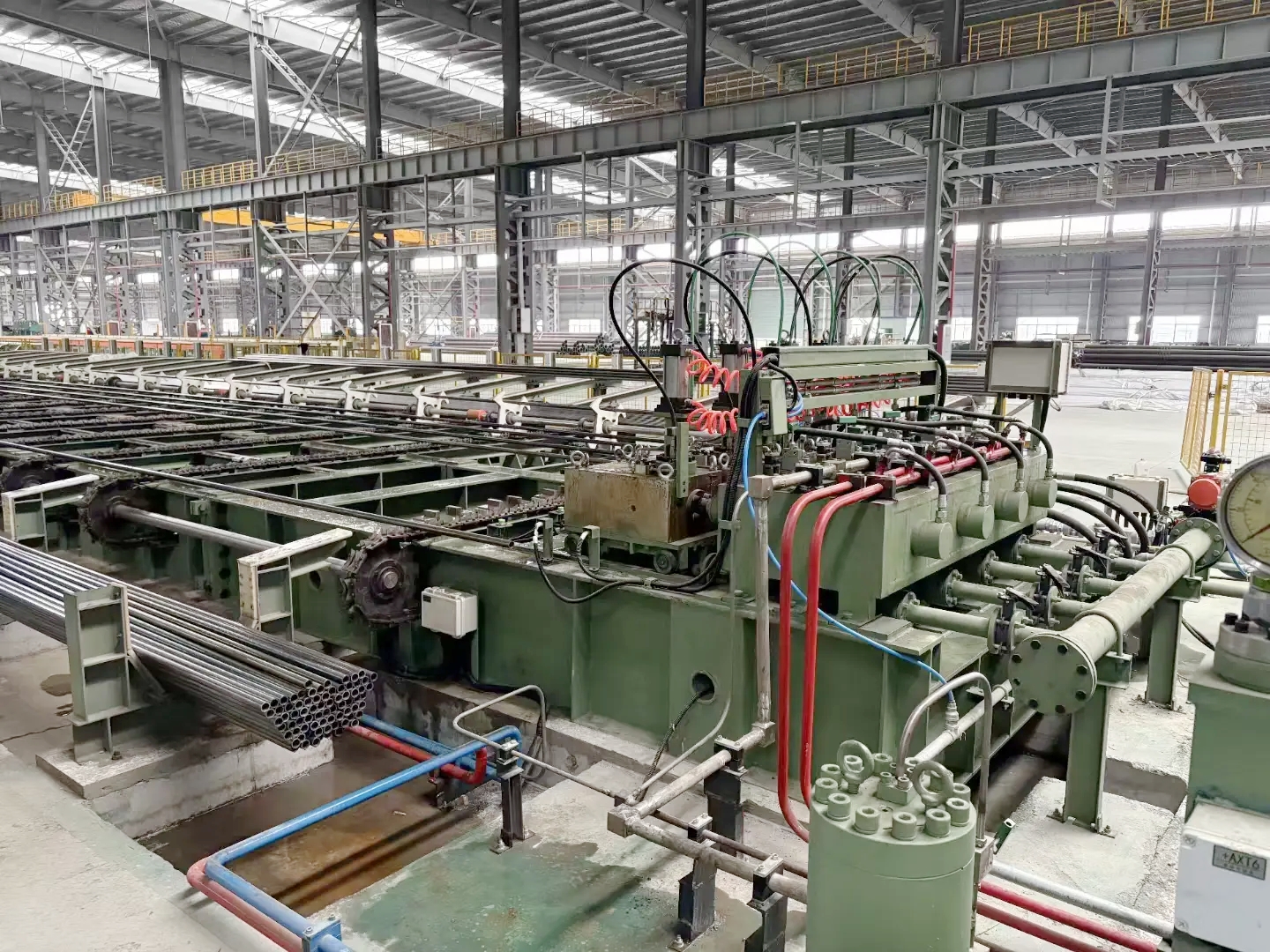
Factory Layout Sometimes Creates Delays Without Anyone Realizing
Some delays originate outside equipment itself.
A pipe hydro testing machine may perform correctly while workflow creates unnecessary waiting.
Production teams sometimes identify issues such as:
- Pipe transfer congestion
- Limited operator access space
- Material staging bottlenecks
- Difficult maintenance access
One production manager explained it well:
"Machines do not always create bottlenecks. Sometimes layouts create bottlenecks."
Factories optimizing material flow often improve testing rhythm without changing equipment.
What Experienced Pipe Factories Usually Watch Closely
Long-term production teams often monitor:
|
Area Observed |
Why It Matters |
|
Testing cycle consistency |
Helps identify developing inefficiencies |
|
Seal performance |
Supports stable pressure holding |
|
Water system condition |
Maintains testing rhythm |
|
Operator movement |
Improves labor efficiency |
|
Maintenance timing |
Reduces unexpected downtime |
Factories that watch small details consistently often prevent larger production problems later.