


 HOME
HOMECommon Problems Solved by Modern Pipe Pressure Testing Equipment
22 March 2026
In pipeline manufacturing, water supply systems, oil & gas transportation, and industrial piping projects, pressure testing is one of the most critical quality checks. Before pipes are installed or delivered to customers, they must be tested to confirm that they can safely handle internal pressure without leaking or failing.
For many manufacturers, this process used to be slow, manual, and sometimes unreliable. But today, modern Pipe Pressure Testing Equipment has transformed how pressure testing is performed, solving several common problems that once caused production delays and quality issues.In this article, we’ll explore the real problems engineers and pipe manufacturers face—and how advanced Pipe Pressure Testing Equipment helps solve them.
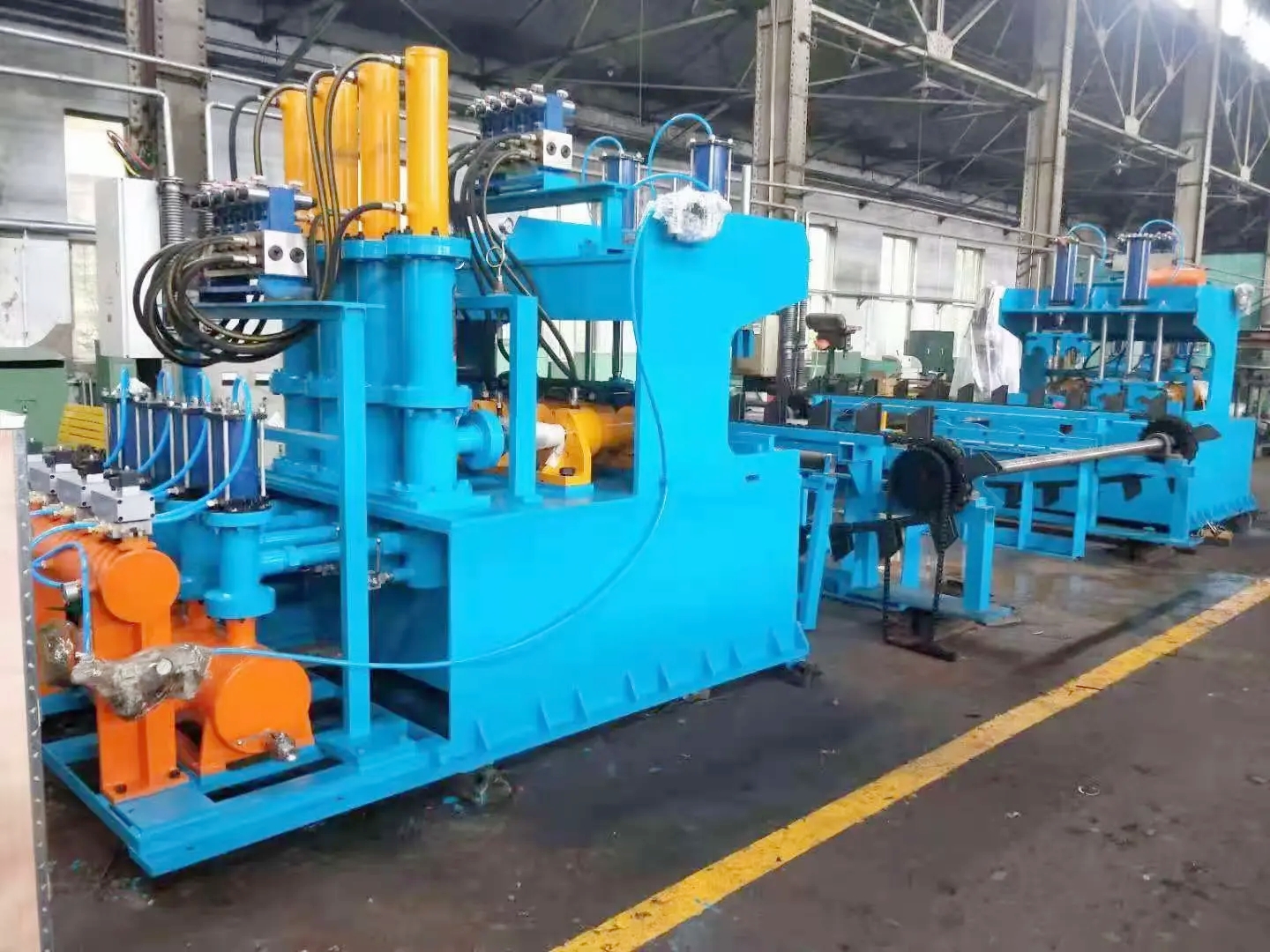
1. Inaccurate Pressure Measurement
One of the biggest challenges in older testing setups is inaccurate pressure readings.
Traditional systems often relied on mechanical gauges that could drift over time or lose calibration. In fact, studies show that outdated gauges can cause incorrect measurements and may be responsible for around 15% of failed pressure tests.
Modern Pipe Pressure Testing Equipment solves this issue by using:
-
High-precision digital pressure sensors
-
Automatic calibration systems
-
Real-time pressure monitoring
Advanced systems can detect pressure variations as small as 0.25%, making leak detection far more accurate than older equipment.
This level of precision ensures that manufacturers get reliable test results every time.
2. Air Trapped Inside the Pipe
Another common problem in pressure testing is trapped air inside the pipeline.
If air remains inside the pipe during testing, it can distort pressure readings or even create safety risks. That’s why modern hydrostatic testing machines automatically fill pipes with water and purge air before the test begins.
Advanced Pipe Pressure Testing Equipment usually includes:
-
Automatic water filling systems
-
Air venting valves
-
Controlled pressure buildup
These systems guarantee that the pipe is tested under accurate and stable pressure conditions.
3. Slow Testing Speed in Production Lines
For pipe manufacturers producing hundreds or thousands of pipes daily, testing speed directly affects production efficiency.
Manual or outdated testing setups often require operators to test pipes one by one, which slows down the production line.
Modern Pipe Pressure Testing Equipment addresses this problem by introducing multi-station testing systems.
Some advanced machines can run multiple pressure tests simultaneously, dramatically increasing testing capacity and efficiency.
For example:
| Testing System | Pipes Tested at Once | Efficiency |
|---|---|---|
| Manual test system | 1 pipe | Low |
| Semi-automatic system | 2–5 pipes | Medium |
| Multi-station testing equipment | 10–60 pipes | Very high |
With automated Pipe Pressure Testing Equipment, factories can keep up with high-volume production without sacrificing quality control.
4. Leakage at Pipe Ends During Testing
Another frequent issue during pressure testing is leakage at the pipe ends or test fixtures.
Pipes must be sealed tightly during testing; otherwise, water may escape, creating inaccurate results or forcing operators to repeat the test.
Modern Pipe Pressure Testing Equipment solves this with improved sealing technologies, including:
-
Expandable sealing heads
-
Hydraulic clamping systems
-
High-durability sealing materials
These sealing systems are designed to handle pipes of different diameters and materials, ensuring reliable pressure containment during testing.
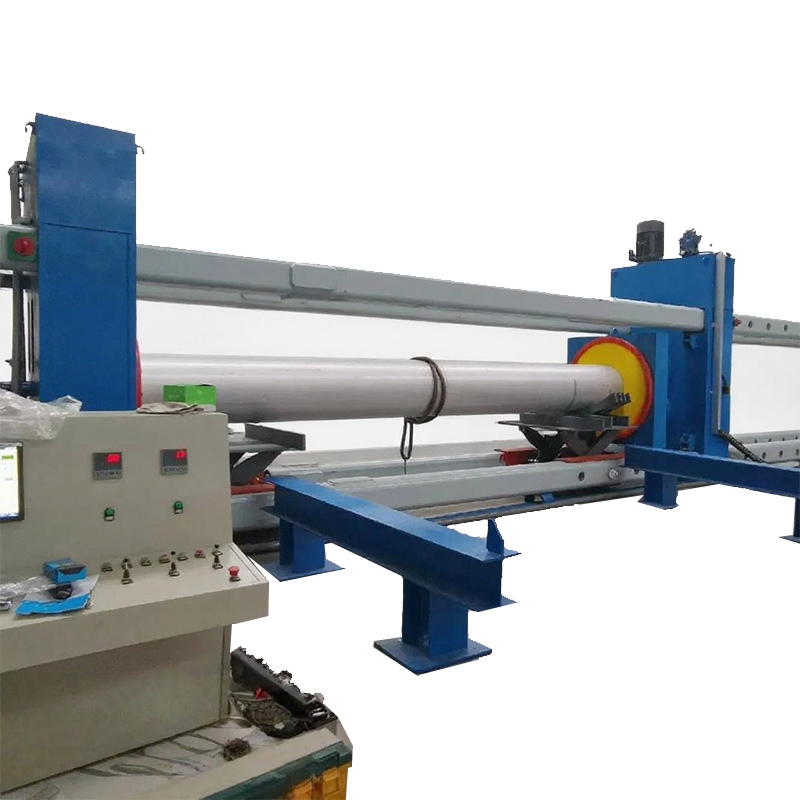
5. Lack of Testing Data and Traceability
In the past, many pipe manufacturers recorded test results manually. This made it difficult to trace product quality later—especially when exporting pipes internationally.
Modern Pipe Pressure Testing Equipment integrates digital data systems that automatically record:
-
Pressure curves
-
Testing duration
-
Leak detection results
-
Pass/fail status
Automated data logging also helps companies comply with international standards such as API, ASTM, and ISO, which require documented pressure testing results for many industrial pipelines.
This digital traceability greatly improves product quality control.
6. Safety Risks During Pressure Testing
Pressure testing involves extremely high internal pressure. Without proper control, testing operations can become dangerous.
Hydrostatic testing machines are designed to manage this risk by applying pressure gradually, monitoring conditions in real time, and releasing pressure safely after the test cycle.
Modern Pipe Pressure Testing Equipment typically includes:
-
Automatic pressure control systems
-
Emergency stop mechanisms
-
Over-pressure protection
-
Safe depressurization systems
These safety features protect both operators and equipment.
Comparison: Traditional vs Modern Pipe Pressure Testing Equipment
| Feature | Traditional Testing | Modern Pipe Pressure Testing Equipment |
|---|---|---|
| Pressure accuracy | Mechanical gauges | Digital precision sensors |
| Testing speed | Single pipe testing | Multi-station testing |
| Data recording | Manual records | Automatic digital logging |
| Sealing reliability | Basic fixtures | Advanced sealing systems |
| Safety protection | Limited | Automated safety systems |
The improvements in modern Pipe Pressure Testing Equipment have significantly increased efficiency, reliability, and safety across the pipe manufacturing industry.
Pressure testing remains one of the most important steps in ensuring pipeline safety and reliability. Without proper testing, small defects in pipes or welds could lead to serious failures in real-world applications.
Modern Pipe Pressure Testing Equipment has solved many of the problems that once made pressure testing difficult—such as inaccurate readings, slow testing speed, sealing leaks, and lack of traceable data.
For manufacturers aiming to improve product quality and production efficiency, investing in advanced Pipe Pressure Testing Equipment is not just a technical upgrade—it’s a strategic decision that strengthens reliability, compliance, and customer trust.


