


 HOME
HOMEWhy Every Plant Should Have a Certified hydro testing machine
28 January 2026
In many factories, pressure testing is treated as a routine step—something that simply has to be done before shipment.
But experienced plant managers know the truth: how you test pressure often matters more than whether you test it at all.
A certified hydro testing machine is not just a compliance tool. For B2B manufacturers, it directly affects product quality, delivery schedules, customer trust, and long-term operating cost.
If your plant works with pipes, pressure vessels, valves, or any pressure-bearing components, this is a decision that deserves serious attention.
Pressure Failures Don’t Start Big — They Start Quiet
Most pressure-related failures don’t announce themselves loudly during production. They show up later:
-
A pipe leaks during installation
-
A vessel fails during commissioning
-
A customer reports pressure loss after delivery
By then, the cost is no longer limited to one product. It includes rework, logistics, reputation, and sometimes legal responsibility.
A properly designed hydro testing machine helps catch these issues at the factory—before they leave your floor.
Why Certification Matters in Real B2B Projects
In B2B manufacturing, certification is not a marketing badge. It’s often a project requirement.
A certified hydro testing machine supports:
-
Third-party inspections
-
Customer factory audits
-
Export documentation and compliance
-
Internal quality system alignment (ISO, CE, ASME, etc.)
Without certified testing equipment, many plants are forced to rely on external testing services, which slows production and increases cost. In contrast, owning a certified hydro testing machine keeps testing in-house, controlled, and repeatable.
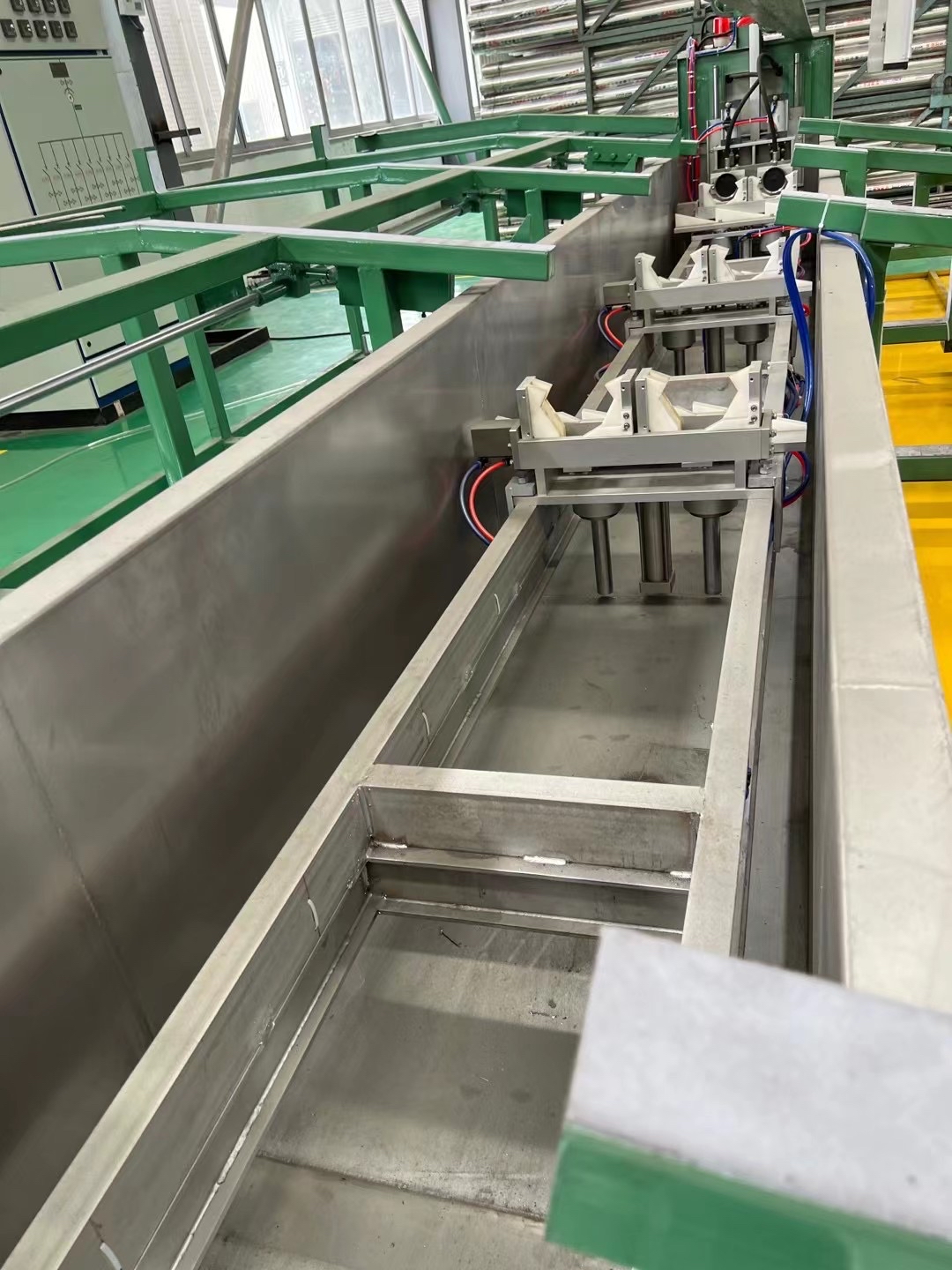
In-House Hydro Testing Means Faster Delivery
Delivery delays are one of the fastest ways to lose repeat customers.
When pressure testing depends on outside facilities, schedules become unpredictable. Failed tests require rescheduling, transport, and additional coordination.
With an in-house hydro testing machine, plants can:
-
Test immediately after production
-
Adjust parameters based on product type
-
Retest failed units without waiting days
-
Keep delivery promises under pressure (literally)
For high-volume or customized orders, this flexibility is often the difference between profit and loss.
Safety and Stability: Why Hydro Beats Air Testing
From an operational standpoint, water-based pressure testing is safer than pneumatic methods. A certified hydro testing machine is designed with controlled pressure increase, monitoring systems, and safety protection.
This reduces:
-
Risk to operators
-
Sudden energy release during failure
-
Uncontrolled pressure spikes
In plants where safety performance is closely audited, this alone can justify upgrading outdated testing systems.
Test Data Is Now Part of the Product
Today’s customers don’t just want products—they want proof.
Modern hydro testing machines can generate clear test records, including pressure curves, hold times, and pass/fail results. This data becomes part of your product documentation and builds confidence with buyers, inspectors, and project engineers.
When a customer asks, “How do you ensure pressure integrity?”
A test report answers faster than any sales explanation.
Long-Term Cost Control, Not Just Equipment Cost
It’s easy to focus on the purchase price of a hydro testing machine. But experienced buyers look beyond that.
A certified, well-built hydro testing machine reduces:
-
Rejected batches
-
Field failures
-
Warranty claims
-
Dependence on third-party testing
Over time, it becomes one of the most cost-effective investments on the production line.
For B2B manufacturers, a certified hydro testing machine is not optional equipment—it’s a foundation of quality control.Plants that take pressure testing seriously don’t just pass inspections. They deliver consistent products, protect their teams, and earn long-term customer trust.


